As a supplier of Oil Sampling Shut – off Valves, I often encounter questions from customers about how to measure the pressure of these valves. Measuring the pressure of an Oil Sampling Shut – off Valve is crucial for ensuring its proper functioning, safety, and compliance with industry standards. In this blog, I will share some scientific and practical methods for measuring the pressure of an Oil Sampling Shut – off Valve. Oil Sampling Shut-off Valve

Understanding the Importance of Pressure Measurement
Before delving into the measurement methods, it’s essential to understand why pressure measurement is so important for Oil Sampling Shut – off Valves. These valves are used in the oil and gas industry to control the flow of oil and allow for safe sampling. Incorrect pressure can lead to various problems, such as leaks, valve failure, and even safety hazards. By accurately measuring the pressure, we can ensure that the valve is operating within the specified range and that it can perform its intended function effectively.
Methods for Measuring Pressure
1. Using a Pressure Gauge
One of the most common and straightforward methods for measuring the pressure of an Oil Sampling Shut – off Valve is by using a pressure gauge. A pressure gauge is a device that measures the pressure of a fluid in a system. To use a pressure gauge for measuring the valve pressure, follow these steps:
- Installation: First, ensure that the pressure gauge is compatible with the valve and the fluid being measured. Then, connect the pressure gauge to the valve using appropriate fittings. Make sure the connection is tight to prevent any leaks.
- Measurement: Once the pressure gauge is installed, open the valve slightly to allow the fluid to flow into the gauge. Wait for the gauge to stabilize and then read the pressure value. It’s important to note that the pressure reading should be taken at a stable state, which means the flow rate and other conditions should be relatively constant.
- Recording and Analysis: Record the pressure reading and compare it with the valve’s specified pressure range. If the reading is outside the range, further investigation may be required to determine the cause of the deviation.
2. Differential Pressure Measurement
Differential pressure measurement is another important method for measuring the pressure of an Oil Sampling Shut – off Valve. This method involves measuring the difference in pressure between two points in the valve system. Differential pressure can provide valuable information about the flow resistance and the performance of the valve.
- Installation of Differential Pressure Transducers: To measure the differential pressure, differential pressure transducers are installed at two different points in the valve system. These transducers convert the pressure difference into an electrical signal, which can be read and analyzed.
- Measurement and Analysis: The differential pressure reading can be used to assess the valve’s performance. For example, if the differential pressure is too high, it may indicate a blockage or a problem with the valve’s internal components. On the other hand, a very low differential pressure may suggest a leak or improper valve operation.
3. Pressure Sensors
Pressure sensors are also widely used for measuring the pressure of Oil Sampling Shut – off Valves. These sensors can provide continuous and accurate pressure measurements. They work by converting the pressure into an electrical signal, which can be transmitted to a control system or a data logger.
- Installation: Pressure sensors are typically installed directly on the valve or in the pipeline near the valve. They should be installed in a location where they can accurately measure the pressure of the fluid.
- Calibration and Maintenance: To ensure the accuracy of the pressure sensors, they need to be calibrated regularly. Calibration involves comparing the sensor’s output with a known standard pressure. Additionally, proper maintenance is required to keep the sensors in good working condition.
Factors Affecting Pressure Measurement
When measuring the pressure of an Oil Sampling Shut – off Valve, several factors can affect the accuracy of the measurement. These factors include:
- Temperature: The temperature of the fluid can have a significant impact on the pressure measurement. As the temperature changes, the volume and density of the fluid also change, which can affect the pressure reading. Therefore, it’s important to consider the temperature when taking pressure measurements and make appropriate corrections if necessary.
- Fluid Viscosity: The viscosity of the fluid can also affect the pressure measurement. Highly viscous fluids may cause additional pressure drop in the valve system, which can lead to inaccurate pressure readings.
- Valve Design and Condition: The design and condition of the valve can also influence the pressure measurement. For example, a valve with a damaged or worn – out seal may cause leaks, which can affect the pressure reading.
Ensuring Accurate Pressure Measurement
To ensure accurate pressure measurement of an Oil Sampling Shut – off Valve, the following steps can be taken:
- Proper Installation: Ensure that all measurement devices, such as pressure gauges, differential pressure transducers, and pressure sensors, are installed correctly. Follow the manufacturer’s instructions for installation and use appropriate fittings and connections.
- Regular Calibration: Calibrate all measurement devices regularly to ensure their accuracy. Use traceable standards for calibration and keep records of the calibration results.
- Environmental Considerations: Take into account the environmental conditions, such as temperature and humidity, when taking pressure measurements. Make appropriate corrections if necessary.
- Training and Expertise: Ensure that the personnel responsible for pressure measurement are properly trained and have the necessary expertise. They should be familiar with the measurement methods and the equipment used.
Conclusion
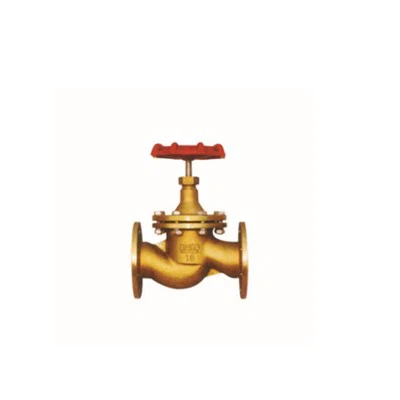
Measuring the pressure of an Oil Sampling Shut – off Valve is a critical task that requires careful consideration and the use of appropriate methods and equipment. By understanding the importance of pressure measurement, using the right measurement techniques, and taking into account the factors that can affect the measurement, we can ensure the proper functioning and safety of the valve.
Oil Level Indicator If you are in the market for high – quality Oil Sampling Shut – off Valves or have any questions about pressure measurement or valve performance, please feel free to contact us. We are here to provide you with the best products and technical support. Our team of experts is ready to assist you in finding the right solutions for your oil sampling needs.
References
- ASME Boiler and Pressure Vessel Code
- API (American Petroleum Institute) Standards
- Manufacturer’s manuals for Oil Sampling Shut – off Valves and pressure measurement devices
Hebei Anmei Electrical Equipment Co., Ltd.
Hebei Anmei Electrical Equipment Co., Ltd. is one of the most professional oil sampling shut-off valve manufacturers and suppliers in China, specialized in providing high quality products and service. Please feel free to buy customized oil sampling shut-off valve made in China here from our factory. Contact us for quotation.
Address: Hejian Yingzhou Economic Development Zone, Cangzhou City, Hebei Province
E-mail: sales@anmeielec.com
WebSite: https://www.anmeibushing.com/
