As a supplier of Scraper Feeder Chains, I often encounter inquiries from customers about the suitability of our products in high-temperature environments. This is a crucial question, especially for industries such as mining, cement, and steel, where high temperatures are a common challenge. In this blog post, I will delve into the factors that determine whether a Scraper Feeder Chain can be used in high-temperature environments, the challenges it faces, and the solutions we offer. Scraper Feeder Chain

Understanding the Basics of Scraper Feeder Chains
Before we discuss high-temperature applications, let’s briefly understand what a Scraper Feeder Chain is. A Scraper Feeder Chain is a key component in scraper feeders, which are widely used in various industries to transport bulk materials. The chain consists of a series of interconnected links that move along a track, with scrapers attached to the links to convey the materials. The performance of the Scraper Feeder Chain is critical to the efficiency and reliability of the entire scraper feeder system.
Factors Affecting the Use of Scraper Feeder Chains in High-Temperature Environments
Several factors need to be considered when determining whether a Scraper Feeder Chain can be used in high-temperature environments:
1. Material Selection
The material of the chain plays a crucial role in its performance at high temperatures. Different materials have different heat resistance properties. For example, carbon steel is a common material for Scraper Feeder Chains, but it has limited heat resistance. At high temperatures, carbon steel may undergo oxidation, which can lead to corrosion and reduced strength. On the other hand, alloy steels, such as stainless steel, offer better heat resistance and corrosion resistance. They can maintain their mechanical properties at higher temperatures, making them more suitable for high-temperature applications.
2. Lubrication
Lubrication is essential for the smooth operation of Scraper Feeder Chains, especially in high-temperature environments. High temperatures can cause the lubricant to break down, reducing its effectiveness. Therefore, it is necessary to use high-temperature lubricants that can withstand the heat and provide adequate lubrication. Some lubricants are specifically designed for high-temperature applications and can maintain their viscosity and lubricating properties at elevated temperatures.
3. Design and Construction
The design and construction of the Scraper Feeder Chain also affect its performance in high-temperature environments. For example, the chain should be designed to allow for thermal expansion. As the temperature increases, the chain may expand, and if there is no room for expansion, it can lead to excessive stress and damage to the chain. Additionally, the joints and connections of the chain should be strong enough to withstand the high temperatures and the forces exerted during operation.
Challenges Faced by Scraper Feeder Chains in High-Temperature Environments
Using Scraper Feeder Chains in high-temperature environments poses several challenges:
1. Oxidation and Corrosion
As mentioned earlier, high temperatures can cause oxidation and corrosion of the chain. Oxidation can lead to the formation of rust, which weakens the chain and reduces its lifespan. Corrosion can also occur due to the presence of chemicals or moisture in the environment, further accelerating the deterioration of the chain.
2. Loss of Strength
High temperatures can cause the chain to lose its strength. The mechanical properties of the chain, such as tensile strength and hardness, may decrease at elevated temperatures. This can lead to chain breakage or deformation, which can disrupt the operation of the scraper feeder system.
3. Lubricant Breakdown
As the temperature rises, the lubricant used in the chain may break down. This can result in increased friction between the chain links, leading to wear and tear. Without proper lubrication, the chain may also seize up, causing the scraper feeder to stop working.
Solutions for Using Scraper Feeder Chains in High-Temperature Environments
To overcome the challenges mentioned above, we offer several solutions:
1. High-Temperature Materials
We use high-quality alloy steels, such as stainless steel, in the manufacturing of our Scraper Feeder Chains. These materials have excellent heat resistance and corrosion resistance, allowing the chains to perform well in high-temperature environments.
2. Special Lubricants
We recommend using high-temperature lubricants that are specifically designed for use in high-temperature applications. These lubricants can maintain their lubricating properties at elevated temperatures, reducing friction and wear.
3. Customized Design
We can customize the design of the Scraper Feeder Chain to meet the specific requirements of high-temperature applications. For example, we can design the chain to allow for thermal expansion and ensure that the joints and connections are strong enough to withstand the high temperatures.
Case Studies
To illustrate the effectiveness of our solutions, let’s look at some case studies:
Case Study 1: A Cement Plant
A cement plant was experiencing frequent chain failures in their scraper feeders due to the high temperatures in the production process. They were using a carbon steel chain, which was prone to oxidation and corrosion. After switching to our stainless steel Scraper Feeder Chain and using a high-temperature lubricant, the chain failures were significantly reduced. The plant was able to improve the efficiency of their scraper feeders and reduce maintenance costs.
Case Study 2: A Steel Mill
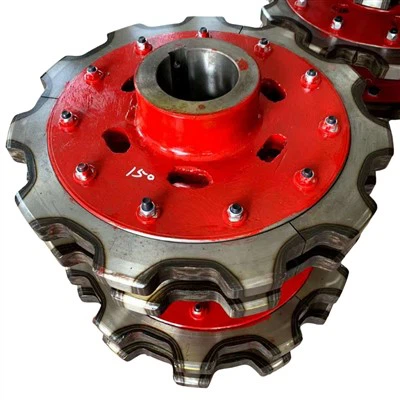
A steel mill was facing problems with the performance of their scraper feeders in a high-temperature environment. The chain was losing its strength and breaking down frequently. We provided them with a customized Scraper Feeder Chain that was designed to withstand the high temperatures and the forces exerted during operation. After installing the new chain, the steel mill was able to achieve better performance and reliability in their scraper feeders.
Conclusion
Conveyor Chain In conclusion, Scraper Feeder Chains can be used in high-temperature environments, but it requires careful consideration of several factors, including material selection, lubrication, and design. By using high-quality materials, special lubricants, and customized designs, we can ensure that our Scraper Feeder Chains perform well in high-temperature applications. If you are looking for a reliable Scraper Feeder Chain for your high-temperature environment, please contact us for more information. We are committed to providing you with the best solutions to meet your needs.
References
- ASM Handbook Volume 1: Properties and Selection: Irons, Steels, and High-Performance Alloys
- Machinery’s Handbook 31st Edition
- Tribology in Machine Design: Lubrication, Friction, and Wear
Zhejiang Hangte Chain Transmission Co., Ltd.
We are one of the most experienced scraper feeder chain manufacturers and suppliers in China since 1999. Please rest assured to buy high quality scraper feeder chain made in China here from our factory. If you have any enquiry about cooperation, please feel free to email us.
Address: No. 195 Qinglin East Street, Qingshan Lake Subdistrict, Lin’an District, Hangzhou City, Zhejiang Province
E-mail: hangtechain@gmail.com
WebSite: https://www.chinahtchain.com/
