Hey there! I’m a supplier of Steel Ball Skew Rolling Mills, and I’m stoked to share with you what the control system of these awesome machines is all about. Steel Ball Skew Rolling Mill

First off, let’s understand what a Steel Ball Skew Rolling Mill does. It’s a piece of equipment that’s used to produce steel balls by skew rolling. This process involves rolling a heated steel bar between two conical rolls that are set at an angle to each other. As the bar passes through the rolls, it gets deformed into a ball shape. It’s a pretty cool and efficient way to make steel balls, which are used in a whole bunch of industries, like mining, bearing manufacturing, and even in some high – tech applications.
Now, onto the control system. The control system of a Steel Ball Skew Rolling Mill is like the brain of the machine. It’s responsible for making sure everything runs smoothly and that the steel balls are produced with the right size, shape, and quality.
Main Components of the Control System
1. Programmable Logic Controller (PLC)
The PLC is the heart of the control system. It’s a small computer that can be programmed to control different functions of the mill. For example, it can control the speed of the rolls. If the rolls are spinning too fast, the steel balls might not form properly. On the other hand, if they’re spinning too slow, the production rate will be low. The PLC can adjust the speed based on the requirements of the production process.
It also controls the temperature of the steel bar. Before the bar goes into the rolling process, it needs to be heated to a specific temperature. The PLC monitors the temperature sensors installed near the heating area and adjusts the heating elements accordingly. If the temperature is too high, it can reduce the power to the heaters, and if it’s too low, it can increase the power.
2. Sensors
There are all kinds of sensors in the control system. One of the most important ones is the position sensor. It tells the PLC where the steel bar is in the rolling process. This is crucial because the PLC needs to know when to start and stop certain actions. For example, when the bar reaches a certain position, the PLC can trigger the rolling process to start.
Another type of sensor is the force sensor. It measures the force exerted on the rolls during the rolling process. If the force is too high, it could mean that there’s a problem with the material or the rolling process. The PLC can then take appropriate action, like stopping the machine to prevent damage.
There are also temperature sensors, as I mentioned before. These sensors are placed at different points in the mill, such as near the heating furnace and on the rolls. They provide real – time temperature data to the PLC, which can then make adjustments to keep the temperature within the desired range.
3. Human – Machine Interface (HMI)
The HMI is the interface between the operator and the control system. It’s usually a touch – screen panel where the operator can monitor and control the mill. The operator can see all the important information, like the speed of the rolls, the temperature of the steel bar, and the production rate. They can also set different parameters, such as the size of the steel balls they want to produce.
For example, if the operator wants to produce larger steel balls, they can adjust the settings on the HMI. The HMI then sends the new parameters to the PLC, which in turn adjusts the operation of the mill accordingly.
How the Control System Works
The control system works in a closed – loop manner. Let’s say the operator sets the desired size of the steel balls on the HMI. The PLC receives this information and starts the process. The steel bar is heated to the appropriate temperature, and then it enters the rolling area.
The position sensors monitor the movement of the bar, and the force sensors measure the force on the rolls. If the size of the steel balls being produced is not within the desired range, the PLC can make adjustments. For example, it can change the speed of the rolls or the pressure applied during the rolling process.
The temperature sensors also play a big role. If the temperature of the steel bar is not right, the PLC can adjust the heating elements to bring the temperature back to the desired level. This continuous monitoring and adjustment ensure that the steel balls are produced with high quality and consistency.
Benefits of a Good Control System
A well – designed control system for a Steel Ball Skew Rolling Mill offers several benefits.
1. High – Quality Production
By precisely controlling the speed, temperature, and other parameters, the control system ensures that the steel balls are produced with the right size, shape, and surface finish. This is crucial for industries that require high – quality steel balls, such as the bearing industry.
2. Increased Efficiency
The control system can optimize the production process, reducing waste and increasing the production rate. For example, by adjusting the speed of the rolls based on the material and the desired output, the mill can produce more steel balls in less time.
3. Safety
The control system can detect potential problems, such as excessive force or abnormal temperature, and take appropriate action to prevent accidents. This protects the operators and the equipment from damage.
Why Choose Our Steel Ball Skew Rolling Mills
As a supplier, we take pride in our Steel Ball Skew Rolling Mills. Our control systems are state – of – the – art, using the latest technology to ensure the best performance.
We offer customized solutions. Whether you need to produce small – sized steel balls for precision applications or large – sized ones for heavy – duty industries, our control system can be adjusted to meet your specific requirements.
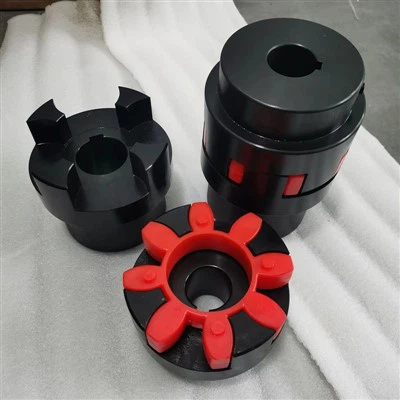
Our mills are also easy to operate. The HMI is user – friendly, so even operators with limited experience can quickly learn how to use it. And we provide excellent after – sales service, including maintenance and technical support.
Steel Ball Skew Rolling Mill If you’re in the market for a Steel Ball Skew Rolling Mill, we’d love to have a chat with you. Our control system can make a big difference in your production process, improving quality, efficiency, and safety. So, don’t hesitate to reach out and start a conversation about how our mills can meet your needs.
References
- "Rolling Technology for Steel Balls" – A technical publication on the manufacturing process of steel balls.
- "Control Systems in Industrial Machinery" – A general book on control systems used in industrial equipment.
Shenyang Muren Machinery Co., Ltd.
We are one of the most professional steel ball skew rolling mill manufacturers and suppliers in China, featured by quality products and good service. Please rest assured to wholesale customized steel ball skew rolling mill at competitive price from our factory. Contact us for more details.
Address: No.16 Nansan Road, Shenyang Jinhai Economic Zone, Liaoning Province, China
E-mail: mulunjixie@163.com
WebSite: https://www.symuren.com/
