Hey there! I’m a supplier of shelling and milling machinery. Over the years, I’ve seen firsthand the waste these machines can generate. It’s a big deal, not just for the environment but also for the bottom line of businesses using this equipment. So, let’s chat about how to deal with the waste from shelling and milling machinery. Shelling And Milling Machinery
Understanding the Types of Waste
First off, we need to know what kind of waste we’re dealing with. When it comes to shelling and milling machinery, there are mainly two types of waste.
The first is the by – products from the shelling process. For example, when shelling nuts or grains, we end up with shells, husks, and other outer coverings. These are often bulky and can take up a lot of storage space if not managed properly.
The second type is the waste generated during the milling process. This can include bran, germ, and other small particles that are separated from the main product. While these might seem like insignificant bits, in large – scale operations, they can add up to a substantial amount of waste.
Recycling and Reusing
One of the best ways to deal with this waste is through recycling and reusing.
Let’s start with the shelling waste. Those shells and husks we mentioned earlier? They can be used in a variety of ways. For farmers, they can be turned into livestock bedding. Animals love the soft and dry environment these shells can provide. Also, many types of shells can be used as a source of organic matter for composting. Composting not only reduces the amount of waste going to landfills but also creates a valuable soil amendment that can be used on farms or in gardens.
In the case of milling waste like bran and germ, they’re actually full of nutrients. In the food industry, bran is often used in the production of high – fiber foods such as cereals, bread, and granola bars. Germ, on the other hand, is rich in vitamins and healthy fats, and can be used in the production of nutritional supplements.
Energy Generation
Another great option for waste management is energy generation. The waste from shelling and milling machinery can be used as a biomass fuel. Biomass is a renewable energy source, and using our waste in this way can help reduce our reliance on fossil fuels.
For example, the shells and husks can be burned in specialized biomass boilers to generate heat. This heat can then be used to power the shelling and milling machinery itself or to heat the facilities where the operations take place. In some cases, the energy generated can even be sold back to the local power grid, creating an additional revenue stream for the business.
Waste Reduction at the Source
It’s also important to think about reducing waste at the source. As a supplier of shelling and milling machinery, I always encourage my customers to choose equipment that is more efficient.
Newer models of shelling and milling machines are designed to have a higher yield, which means less waste. For example, some advanced shelling machines can separate the shell from the kernel with a much higher degree of accuracy, reducing the amount of product that is lost during the process.
Regular maintenance of the machinery is also crucial. A well – maintained machine operates more efficiently, which in turn reduces waste. Simple things like cleaning the sifters and screens regularly can prevent blockages and ensure that the machine is working at its best.
Collaborating with Local Communities
Finally, don’t underestimate the power of collaborating with local communities. There might be local businesses that can use our waste as raw materials. For example, a local brewery might be interested in using the grain husks for making beer, or a craft workshop could use the shells for creating unique handicrafts.
We can also work with local schools and community groups. Educating the next generation about waste management and showing them how we’re dealing with the waste from our machines can create a more sustainable future.
Encouraging a Sustainable Mindset
As a supplier, I play a role in encouraging a sustainable mindset among my customers. When I’m talking to people about buying shelling and milling machinery, I make sure to bring up the topic of waste management. I’ll share success stories of other customers who have effectively reduced their waste and saved money in the process.
I also offer training and support to help my customers get the most out of their machines while minimizing waste. This can include on – site training on how to operate the machines efficiently, as well as advice on waste management strategies.
Conclusion
Dealing with the waste generated by shelling and milling machinery is not only an environmental responsibility but also a smart business move. By recycling, reusing, generating energy, reducing waste at the source, and collaborating with local communities, we can turn what was once seen as a problem into an opportunity.
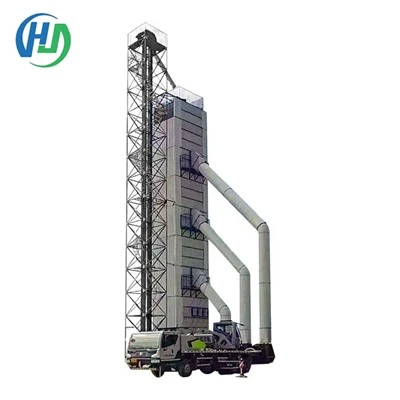
Grain Dryer If you’re in the market for shelling and milling machinery, or you’re looking for more advice on waste management for your existing equipment, I’d love to have a chat. Let’s work together to create a more sustainable future for our industry.
References
- "Biomass Energy: Principles and Applications" by David O. Hall and Tony Rosillo – Calle.
- "Food Processing Waste Management" by various authors in the Journal of Food Science and Technology.
- "Sustainable Agriculture: Waste Reduction and Recycling" published by the United Nations Food and Agriculture Organization.
Henan Huinong Machinery Co., Ltd.
Henan Huinong Machinery Co., Ltd. is one of the most professional shelling and milling machinery manufacturers and suppliers in China, featured by quality products and low price. Please rest assured to buy discount shelling and milling machinery from our factory. We also accept customized orders.
Address: No. 6, Northeast Corner of the Intersection of Renmin Road and Zhujiang Road, New District, Huaxian County, Henan Province
E-mail: frank.tang@huinongmachinery.com
WebSite: https://www.huinongmachinery.com/
