Electrical requirements are crucial aspects to consider when dealing with plastic sheet machines. As a reliable supplier of plastic sheet machines, I understand the intricacies and importance of these requirements. In this blog, I will delve into the various electrical requirements for a plastic sheet machine, providing you with a comprehensive understanding to help you make informed decisions. Plastic Sheet Machine
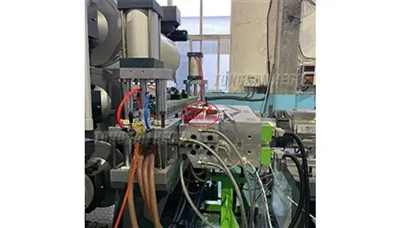
1. Voltage and Phase
The first and most fundamental electrical requirement is the appropriate voltage and phase. Plastic sheet machines come in different sizes and capacities, and their voltage requirements can vary accordingly. Generally, small – scale plastic sheet machines can operate on a single – phase voltage, typically 220V in many regions. This is suitable for small workshops or laboratories where the production volume is relatively low.
On the other hand, larger industrial plastic sheet machines usually require a three – phase power supply. Three – phase power, commonly 380V or 480V depending on the local electrical grid standards, offers several advantages. It provides a more stable and efficient power source, which is essential for continuous and high – speed operation. The balanced load distribution in a three – phase system reduces power fluctuations and heat generation in the machine’s electrical components, leading to longer equipment lifespan and better performance.
When choosing a plastic sheet machine, it is vital to ensure that the electrical supply in your facility matches the machine’s voltage and phase requirements. An incorrect voltage can cause the machine to malfunction, damage the electrical components, or even pose safety hazards. Therefore, we always recommend that customers consult with their local electrical service providers to ensure a proper power supply setup before purchasing our plastic sheet machines.
2. Power Rating
The power rating of a plastic sheet machine indicates the amount of electrical power it consumes during operation. This is typically measured in kilowatts (kW). The power rating is determined by several factors, including the size of the machine, the type of heating elements, the motor power, and the production speed.
Heating elements play a significant role in the power consumption of a plastic sheet machine. These elements are used to melt the plastic raw materials into a molten state for extrusion. The more powerful the heating elements, the faster the plastic can be melted, but this also means higher power consumption. Different types of plastics have different melting points, and machines designed to process plastics with higher melting points may require more power.
The motor power is another crucial factor. The motors are responsible for driving the various mechanical components of the machine, such as the extruder screw, the rollers, and the conveyor belts. High – speed and high – torque motors are often required for efficient production, but they also consume more electricity.
When selecting a plastic sheet machine, it is important to consider the power rating in relation to your production needs and the available power capacity in your facility. A machine with a high power rating may offer faster production speeds and higher output, but it also means higher energy costs. Our sales team can help you analyze your requirements and recommend the most suitable machine with an appropriate power rating.
3. Electrical Protection Systems
Electrical protection systems are essential for the safe and reliable operation of plastic sheet machines. These systems are designed to protect the machine and the operators from electrical faults such as over – current, over – voltage, short – circuit, and ground – fault.
Over – current protection devices, such as circuit breakers and fuses, are installed in the electrical circuit of the machine. When the current exceeds a predefined limit, these devices automatically cut off the power supply to prevent damage to the electrical components. Circuit breakers can be reset after the fault is cleared, while fuses need to be replaced.
Over – voltage protection systems are used to safeguard the machine from voltage spikes, which can occur due to lightning strikes or sudden changes in the power grid. These systems typically include surge protectors that divert the excess voltage to the ground.
Short – circuit protection is crucial to prevent damage and fires caused by a direct connection between two conductors with different potentials. Ground – fault protection devices detect any unwanted current flowing to the ground, which may indicate a fault in the electrical insulation.
We ensure that all our plastic sheet machines are equipped with state – of – the – art electrical protection systems to provide maximum safety for our customers. Regular maintenance and inspection of these protection systems are also recommended to ensure their proper functioning.
4. Control Systems and Automation
Modern plastic sheet machines are often equipped with advanced control systems and automation features. These electrical components are responsible for controlling various parameters of the machine, such as temperature, speed, pressure, and thickness.
The control system usually consists of a programmable logic controller (PLC), which is a digital computer used for automation of industrial processes. The PLC can be programmed to maintain precise control over the machine’s operation, ensuring consistent product quality. For example, it can control the temperature of the heating elements to keep the plastic at the optimal melting point throughout the extrusion process.
In addition to the PLC, touch – screen human – machine interfaces (HMIs) are commonly used in plastic sheet machines. These interfaces allow operators to easily monitor and adjust the machine’s settings. They provide real – time information about the machine’s status, such as temperature readings, speed settings, and production statistics.
Automation features, such as automatic thickness control and automatic gauging systems, can significantly improve the efficiency and accuracy of plastic sheet production. These systems use sensors to measure the thickness of the plastic sheet during production and make real – time adjustments to the machine’s operation to ensure the desired thickness is achieved.
5. Electromagnetic Compatibility (EMC)
Electromagnetic compatibility is an important consideration for plastic sheet machines, especially in industrial environments where there are many other electrical devices operating simultaneously. EMC refers to the ability of an electrical device to operate in its electromagnetic environment without causing electromagnetic interference (EMI) to other nearby devices, and also to be immune to EMI from other sources.
Plastic sheet machines generate electromagnetic fields during operation, mainly due to the operation of motors, heating elements, and control systems. If these electromagnetic fields are not properly controlled, they can interfere with the normal operation of other electrical equipment in the vicinity, such as computer systems, sensors, and communication devices.
To ensure EMC, our plastic sheet machines are designed and manufactured in accordance with international EMC standards. This includes the use of shielding materials, proper grounding techniques, and the installation of EMI filters. By adhering to these standards, we can minimize the impact of electromagnetic interference on both the machine itself and other nearby equipment.
Conclusion
As a plastic sheet machine supplier, I am well – aware of the importance of meeting the electrical requirements for these machines. From voltage and phase selection to power rating, electrical protection systems, control systems, and electromagnetic compatibility, every aspect plays a crucial role in the safe, efficient, and reliable operation of the machine.
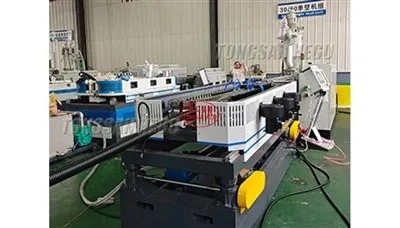
If you are in the market for a plastic sheet machine, it is essential to consider all these electrical requirements carefully. Our team of experts is always ready to assist you in choosing the most suitable machine for your specific needs. We can provide detailed technical information, offer customized solutions, and support you throughout the installation and commissioning process.
Corrugated Pipe Machine If you have any questions regarding the electrical requirements of our plastic sheet machines or would like to discuss a potential purchase, please don’t hesitate to contact us. We look forward to the opportunity to partner with you and provide you with high – quality plastic sheet machines and excellent service.
References
- Electrical Installation Guide for Industrial Machinery, International Electrotechnical Commission (IEC)
- Handbook of Plastic Sheet Extrusion Technology, Hanser Publishers
- Best Practices for Electrical Safety in Manufacturing, Occupational Safety and Health Administration (OSHA)
Qingdao Tongsanhegu Plastic Machinery Manufacturing Co., Ltd.
With abundant experience, we are one of the most reliable plastic sheet machine manufacturers and suppliers in China. We warmly welcome you to buy durable plastic sheet machine for sale here from our factory. Quality products and reasonable price are available.
Address: West of Xixinzhi Village, Sanlihe District Jiaozhou, Qingdao City, Shandong Province, China
E-mail: info@tongsanhegu.com
WebSite: https://www.tongsanhegumachine.com/
