As a reputable coolant hose supplier, I often get asked by customers, "How often should I inspect my coolant hoses?" This is a crucial question that can significantly impact the performance and longevity of your vehicle or industrial equipment. In this blog post, I’ll delve into the factors that determine inspection frequency and offer practical advice to help you keep your coolant hoses in top condition. Coolant Hose
Understanding the Role of Coolant Hoses
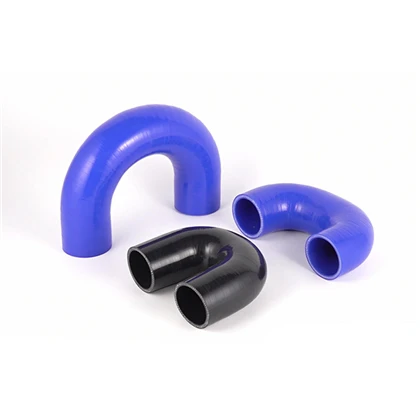
Before discussing inspection frequency, it’s essential to understand the critical role coolant hoses play in your vehicle or equipment. Coolant hoses are responsible for transporting coolant between the engine, radiator, heater core, and other components. They help regulate the engine’s temperature by circulating coolant, which absorbs and dissipates heat generated during combustion.
If a coolant hose fails, it can lead to a loss of coolant, causing the engine to overheat. Engine overheating can result in serious damage, including warped cylinder heads, blown head gaskets, and even engine failure. Therefore, regular inspection of coolant hoses is essential to prevent these costly and potentially catastrophic issues.
Factors Affecting Inspection Frequency
Several factors influence how often you should inspect your coolant hoses. These include:
- Vehicle or Equipment Age: Older vehicles and equipment are more prone to coolant hose deterioration. As hoses age, the rubber material can become brittle, cracked, or swollen, increasing the risk of failure. Therefore, it’s recommended to inspect coolant hoses more frequently in older vehicles or equipment.
- Operating Conditions: Vehicles and equipment that operate in harsh conditions, such as extreme temperatures, high humidity, or dusty environments, are more likely to experience coolant hose wear and tear. Exposure to extreme heat can cause the rubber to degrade, while dust and debris can abrasion the hose surface. In these cases, more frequent inspections are necessary.
- Driving or Operating Habits: Aggressive driving or heavy use of equipment can put additional stress on coolant hoses. Rapid acceleration, hard braking, and frequent stop-and-go driving can cause coolant to surge through the hoses, increasing the pressure and wear. Similarly, equipment that operates under heavy loads or for extended periods may require more frequent inspections.
- Manufacturer Recommendations: Always refer to your vehicle or equipment manufacturer’s recommendations for coolant hose inspection intervals. These recommendations are based on extensive testing and are designed to ensure the optimal performance and safety of your vehicle or equipment.
General Inspection Guidelines
Based on the above factors, here are some general guidelines for coolant hose inspection frequency:
- New Vehicles and Equipment: For new vehicles and equipment, it’s typically recommended to inspect coolant hoses every 12 to 18 months or every 12,000 to 15,000 miles (20,000 to 24,000 kilometers), whichever comes first. This initial inspection can help identify any manufacturing defects or early signs of wear.
- Older Vehicles and Equipment: As vehicles and equipment age, it’s advisable to increase the inspection frequency to every 6 to 12 months or every 6,000 to 10,000 miles (10,000 to 16,000 kilometers). Older hoses are more likely to develop cracks, leaks, or other issues, so more frequent inspections can help catch problems before they escalate.
- Harsh Operating Conditions: If your vehicle or equipment operates in harsh conditions, such as extreme temperatures, high humidity, or dusty environments, inspect coolant hoses every 3 to 6 months or every 3,000 to 5,000 miles (5,000 to 8,000 kilometers). These conditions can accelerate hose deterioration, so more frequent inspections are necessary.
- Aggressive Driving or Heavy Use: For vehicles or equipment that are driven aggressively or used under heavy loads, inspect coolant hoses every 3 to 6 months or every 3,000 to 5,000 miles (5,000 to 8,000 kilometers). Aggressive driving and heavy use can put additional stress on the hoses, increasing the risk of failure.
How to Inspect Coolant Hoses
Inspecting coolant hoses is a relatively simple process that can be done with a few basic tools. Here’s how to do it:
- Park the Vehicle or Equipment: Before inspecting coolant hoses, make sure the engine is cool to avoid burns. Park the vehicle or equipment on a level surface and engage the parking brake.
- Locate the Coolant Hoses: Coolant hoses are typically made of rubber or silicone and are connected to the engine, radiator, heater core, and other components. They are color-coded to indicate the type of coolant they carry, with green or blue for automotive coolant and red or orange for heavy-duty coolant.
- Check for Visible Damage: Visually inspect the coolant hoses for any signs of damage, such as cracks, splits, bulges, or leaks. Pay special attention to the areas near the fittings, where the hoses are most likely to fail.
- Check for Soft Spots or Swelling: Gently squeeze the coolant hoses along their length to check for soft spots or swelling. Soft spots or swelling can indicate internal damage or degradation of the rubber material.
- Check the Hose Clamps: Inspect the hose clamps to ensure they are tight and secure. Loose hose clamps can cause coolant leaks, so make sure they are tightened to the manufacturer’s specifications.
- Check the Coolant Level: While inspecting the coolant hoses, also check the coolant level in the radiator or coolant reservoir. If the coolant level is low, it could indicate a leak in the system.
- Inspect the Radiator Cap: Check the radiator cap for any signs of damage or wear. A faulty radiator cap can cause the coolant to boil over, leading to engine overheating.
What to Do If You Find a Problem
If you find any signs of damage or wear during your coolant hose inspection, it’s important to take action immediately. Here’s what you should do:
- Minor Damage: If you notice minor damage, such as a small crack or a loose hose clamp, you may be able to repair the hose yourself. You can use a hose repair kit or replace the damaged section of the hose. Make sure to follow the manufacturer’s instructions carefully and use the appropriate tools and materials.
- Major Damage: If the damage is more severe, such as a large crack, a split, or a bulge, it’s best to replace the entire hose. Coolant hoses are relatively inexpensive and easy to replace, so it’s not worth taking the risk of driving or operating your vehicle or equipment with a damaged hose.
- Leak Detection: If you suspect a coolant leak, but you can’t find the source, you may need to perform a pressure test on the cooling system. A pressure test can help identify the location of the leak and determine if any other components, such as the radiator or water pump, are damaged.
Importance of Using High-Quality Coolant Hoses
When it comes to coolant hoses, quality matters. Using high-quality coolant hoses can help prevent premature failure and ensure the long-term reliability of your vehicle or equipment. Here are some reasons why you should choose high-quality coolant hoses:
- Durability: High-quality coolant hoses are made from premium materials that are resistant to heat, pressure, and chemicals. They are designed to withstand the harsh conditions of the engine compartment and provide long-lasting performance.
- Reliability: High-quality coolant hoses are manufactured to strict quality standards to ensure consistent performance and reliability. They are less likely to develop leaks, cracks, or other issues, reducing the risk of engine overheating and damage.
- Compatibility: High-quality coolant hoses are designed to be compatible with your vehicle or equipment’s cooling system. They are available in a variety of sizes and shapes to fit different applications, ensuring a proper fit and seal.
- Warranty: Most high-quality coolant hoses come with a warranty, which provides peace of mind and protection against defects and premature failure. Make sure to choose a coolant hose that is backed by a reputable manufacturer’s warranty.
Conclusion
Regular inspection of coolant hoses is essential to ensure the optimal performance and longevity of your vehicle or equipment. By following the guidelines outlined in this blog post, you can determine the appropriate inspection frequency for your coolant hoses and take proactive steps to prevent coolant leaks and engine overheating. Remember to always use high-quality coolant hoses and replace them as needed to ensure the reliability and safety of your vehicle or equipment.
Chemical Hose If you’re in need of high-quality coolant hoses for your vehicle or equipment, we’d love to hear from you. As a leading coolant hose supplier, we offer a wide range of coolant hoses that are designed to meet the highest standards of quality and performance. Contact us today to learn more about our products and how we can help you keep your coolant system in top condition.
References
- Automotive Service Excellence (ASE) – "Cooling System Maintenance"
- SAE International – "Coolant Hose Design and Testing Standards"
- Vehicle Manufacturers’ Service Manuals
Ningbo Haidu Auto Parts Co., Ltd.
As one of the most professional coolant hose manufacturers and suppliers in China, we’re featured by cheap products and good service. Please rest assured to buy durable coolant hose at competitive price from our factory. Also, OEM service is available.
Address:
E-mail: Sale6@sterlingautoparts.com
WebSite: https://www.cnsiliconehose.com/
