If you’ve ever stood in the middle of a sprawling farm at 4 a.m., juggling a tractor’s controls, a mobile phone, and a wind-up walkie-talkie that cuts out mid-broker call, you know how fast small miscommunications can blow up into big problems. As someone who supplies POC (Push to Talk over Cellular) radios to farmers, ag retailers, and rural operations, I get it—agriculture isn’t like any other industry when it comes to communication needs. Cell service is spotty out by the cornfields, two-way radios have tiny ranges if you’re managing 500 acres, and regular smartphones die mid-day when you’re not hooked to a charger. POC radios don’t just “work” here—they solve specific, annoying, costly headaches that other tools can’t, and that’s exactly what I want to break down. POC Radio
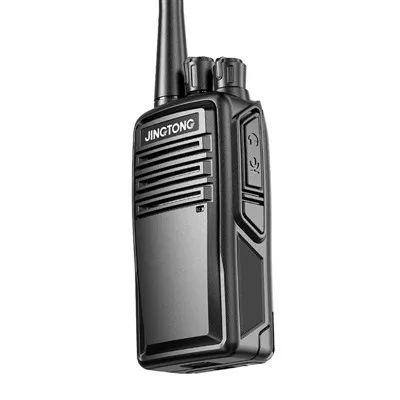
First off, let’s stop confusing POC radios with the cheap walkie-talkies you bought for a family camping trip. These aren’t the ones that fade out 2 miles from a campsite. POC radios use cellular networks—even the spotty ones that cover 80% of rural America, not the 99% urban folks brag about—so their range is basically the entire area you farm. I’ve had customers with 2,000-acre cattle ranches, vegetable growers with 1,500 acres spread across 3 counties, and custom harvester crews that bounce between 4 farms in a week tell me the same old problem: when you’re moving equipment between fields, or checking on a hired hand who’s fixing a fence in a far corner, a standard walkie-talkie dies before you can reach them. With POC radios, that’s gone. Last harvest, one of my corn-grower clients said they used to lose 2 hours a day driving back and forth between fields to check on combines, because their old radios couldn’t reach the second field. Switching to POC cut that to 15 minutes total a day. That’s not just convenience—that’s extra time to harvest before rain hits, which can mean thousands of dollars saved.
Next up: group communication that doesn’t suck. Let’s be real—standing in a muddy field, yelling over a tractor or a baler, is how you miss critical details. Last spring, a tomato farmer I work with had a pest scare in one of their rows, but the farm hand checking that row couldn’t hear his boss over the tractor engine, so by the time he got the message, 30 more rows were infested. POC radios let you set up custom groups, so you can talk to your entire 15-person crew, or just the harvest team, or the irrigation crew, without spamming the boss’s kid who’s picking strawberries in the back. And here’s the big one: these radios work with noise-canceling headsets. Tractor engines, balers, even wind on open fields—they muffle regular audio. POC radios pair with headsets that block that background noise, so a hand fixing a sprinkler at the far end of a pivot can hear your message over the machine’s hum. No more misheard calls that lead to lost crops or delayed work. That’s a huge win, especially for folks with big crews where everyone’s spread thin.
Battery life is another non-negotiable for ag. How many times have you had your phone die mid-critical call at 7 p.m., after a 12-hour day, or your old walkie-talkie crapped out because it was left in a hot truck seat all day? POC radios for agriculture are built for that. The models I supply have 24+ hours of talk time, even with heavy use, and they hold a charge for weeks on standby. I had a client with a 10-day cattle roundup last summer—they turned their POC radios on at 5 a.m. every day and used them for checking gates, coordinating with other ranchers, and calling for vet help. They didn’t have to charge a single one the whole time. Compare that to smartphones, which die by mid-afternoon if you’re using GPS and making calls all day, or even old two-way radios that need a charge every 8 hours. No more scrambling for a portable charger at the end of a long day.
Wait, what about when cell service is actually gone? I know, I know—rural areas have those dead zones that even cell providers lie about. Here’s the thing: most POC radios now have a “fallback” mode that works on satellite, right? Not the fancy, $1,000 satellite phones, but the integrated ones that kick in when cellular drops. Last winter, a wheat grower in western Nebraska I work with had a blizzard hit out of nowhere. His crew was spread across 4 sections of the farm, and cell service died completely. With their POC radios, they were still able to talk to each other to coordinate moving cattle to the barn, no cell needed. That’s a lifesaver—no more being stuck out in a storm with no way to check on your crew or call for help. I can’t tell you how many horror stories I’ve heard of farmers getting stranded because their radios or phones went dead in a bad weather event.
Another big need is integration with other ag tools, right? Farmers don’t just need to talk—they need that communication to tie into what they’re already using. Like, if you have a GPS for your tractor, can you pair your POC radio to get alerts if the tractor drifts off course? Or link it to your irrigation system, so if a sprinkler breaks, a message pops up on your radio (and your crew’s) right away, instead of you having to drive out to check? The POC radios I supply work with most popular farm software and hardware—we’ve got clients who link theirs to their field monitoring systems, so if a sensor detects a pest or a dry spot, the alert goes straight to their radio. No more waiting for a text that might not load, or having to pull out your phone to check a sensor reading when you’re in the middle of moving equipment. It’s all in one tool, which cuts down on screen time and keeps you focused on the job.
Oh, and let’s not forget about compliance and record-keeping. For big farms or operations that work with co-ops, there’s a lot of paperwork required for safety, especially when it comes to coordinating large crews or handling hazardous materials. POC radios let you save all your call history, so if there’s an incident—like a chemical spill or a crew member getting hurt—you can go back and check what was said and when, which helps with insurance and compliance. A lot of my larger ag clients told me their old walkie-talkies didn’t save calls, and their smartphones only save texts, so when they got audited, they had a hard time proving safety protocols were followed. That’s a huge benefit for anyone dealing with regulators or big ag retailers that require tracking.
Now, I’m not here to say POC radios fix every problem. They’re not going to turn a dead cell tower into a 5G hotspot, and they’re not cheap disposable toys. But for what farmers actually need—long range, group communication that cuts through noise, reliable battery life, fallback for dead zones, integration with farm tools, and compliance records—they hit way different than any other communication tool out there.
If you’re tired of misheard calls, dead devices at the worst times, or driving 20 minutes just to check on a crew member because your old radio can’t reach, it’s worth taking a look at what POC radios can do for your operation. We tailor setups to fit: small family farms might only need 5 radios, while larger operations with harvest crews or custom contractors can add as many as they need, without extra fees or weird per-user costs. No locked-in contracts, no fine print about dead zones that cut out your service.
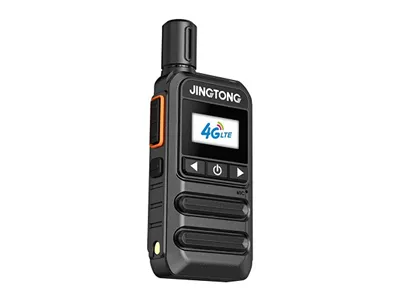
If you’re ready to stop dealing with communication headaches that cost you time and money, reach out to chat about what your farm’s specific needs are. We can walk you through different models, setups, and even test how the radios work on your land so you know exactly what you’re getting.
5 Watt Walkie Talkie References: USDA Agricultural Communication Report, 2022; National Agri-Marketing Association Rural Communication Survey, 2021; Farm Bureau Rural Tech Benchmarking Study, 2023.
Jingtong (Quanzhou) Electronics Co., Ltd.
We are one of the most professional poc radio manufacturers and suppliers in China, specialized in providing high quality customized service. We warmly welcome you to buy durable poc radio made in China here from our factory. For price consultation, contact us.
Address: No.288, Si Huang Industry Zone, Xia Mei Town, Nan An, Quanzhou, Fujian province, China 362302
E-mail: jtdjj@jtdjj.com
WebSite: https://www.jteradio.com/
