Hey there, if you’ve ever fumbled with a coffee machine button that clicks just right, or pressed a power switch on a power tool that feels solid enough to last years, you’ve probably interacted with a metal button switch without even noticing. I’ve been supplying these little workhorses for a few years now, and let me tell you—they’re way more versatile than most people give them credit for. No flimsy plastic here; these switches hold up to way more wear and tear than the cheap alternatives, and their applications are all over the place, from the everyday gadgets you use to heavy industrial gear. Let’s break down the most common ones, why they matter, and why they’re such a go-to for so many industries. Metal Button Switch

First off, let’s get one thing straight: a metal button switch isn’t just a “clicky button.” It’s a sealed, robust component that uses a metal contact (usually brass, stainless steel, or chrome-plated zinc) to complete an electrical circuit when pressed. That metal build is the secret sauce—unlike membrane switches, which can wear out after a few thousand presses, metal ones can handle hundreds of thousands, even millions, of actuations. They also resist dust, moisture, and minor impacts, which makes them perfect for environments that would break a plastic switch in no time.
One of the biggest uses I see for these switches is in consumer electronics, especially small appliances. Think about your coffee maker, toaster, blender, or even a stand mixer. When you press the “brew” button on your Keurig, that’s almost always a metal button switch. Why? Home appliances get banged around, spilled on, and used multiple times a day, every day. A plastic switch might crack if you knock the appliance off the counter, but a metal one? It just keeps clicking. I recently had a customer who makes specialty air fryers switch to metal switches after their old plastic ones were failing because users were wiping the appliance down repeatedly with damp cloths—metal doesn’t rust or degrade from moisture like plastic can. Even portable gadgets, like portable radios or Bluetooth speakers, use these switches too. Their compact size and durable build make them ideal for devices people toss in their bags or take camping, where they’re exposed to the elements.
Next up, automotive and transportation. This is a huge market for us. Every modern car has dozens of metal button switches—on the dashboard, for things like climate control, power window locks, or the start/stop button. Even electric bikes and scooters use them for power controls and throttle toggles. Why? Cars and bikes are subject to extreme temperatures, rain, dirt, and vibration. A membrane switch might lose responsiveness after a winter of salt on the roads, but a stainless steel metal button switch? It’s built to withstand that. I work with a few motorcycle part manufacturers who swear by these switches for handlebar controls—their buttons don’t stick even when the rider is out in the rain or muck. Plus, the sleek, polished look of a metal switch adds to the premium feel of modern vehicles, which is a big selling point for car brands.
Industrial equipment is another massive area. Think construction tools, agricultural machinery, manufacturing robots, and warehouse gear like forklifts or pallet jacks. These environments are brutal. Forklifts get driven over uneven concrete, get splashed with hydraulic fluid, and used 12 hours a day. A metal button switch there isn’t just a nice-to-have—it’s a necessity. The last thing a factory owner wants is a broken switch on a forklift that stops production for hours. We supply a lot of these switches to companies that make CNC machines too—those machines run 24/7, so every component has to be reliable. Metal switches don’t wear out fast, even with constant pressing. Also, many industrial switches are rated for high currents, so they can handle the power needed for heavy machinery, something membrane switches can’t do as safely.
Then there’s medical devices, which might surprise some people. Medical equipment needs to be super reliable, right? Lives can depend on it. Metal button switches are used in things like hospital beds, patient monitors, portable diagnostic tools, and even some surgical devices. Why? They’re easy to clean—hospitals use harsh disinfectants, and metal doesn’t absorb bacteria like plastic does. They’re also sealed, so they won’t let liquid seep inside and damage the electronics. I’ve had a client who makes portable ultrasound machines tell me they switched to metal switches because their old plastic ones would fog up when sterilized, leading to inconsistent performance. Medical device manufacturers also need components that meet strict safety standards, and metal switches often check those boxes because of their robust build.
We can’t forget about smart home devices either. Most people’s smart thermostats, garage door openers, security systems, and even smart light switches use metal button switches. These devices are in homes, where they’re touched by kids, pets, and guests, so durability is key. A smart light switch that someone flicks 10 times a day needs to last for years, and a metal button switch delivers that. Also, the tactile feedback of a metal click is satisfying—people prefer that “respond immediately” feel, which makes metal switches more popular than soft membrane ones for home automation gear.
Wait, what about outdoor and recreational equipment? Think lawnmowers, garden tillers, ATVs, boat controls, and camping gear. Outdoor stuff is exposed to sun, rain, wind, and dirt. A metal button switch on a lawnmower won’t get gummed up with grass clippings, and it won’t fade or crack from UV rays. Boats? Stainless steel switches resist saltwater corrosion, which is a big deal—salt will eat through plastic switches in no time, but metal holds up. I supply a company that makes ATV handlebar switches, and they tell me their customers rarely return units because of switch failures, which is way better than when they used plastic.
Now, let’s talk about why these switches are so dependable compared to other options. Membrane switches, for example, are thin, flexible, and low-cost, but they have a short lifespan—usually 1 to 5 million presses, max. Metal button switches can last 10 to 20 million presses, sometimes more. They’re also IP-rated for water and dust resistance (like IP65, which means they’re totally dust-tight and can handle low-pressure water jets), so they work in wet or dirty places. Another plus: they’re customizable. We can make them in different sizes, colors, finishes, even add logos or backlighting. So a company can match their switch to their brand’s look, whether it’s a matte black for a industrial tool or a chrome finish for a luxury car dashboard.
Of course, I’ve seen some mistakes people make when choosing metal switches. A lot of folks just pick the cheapest one, but you have to match the switch to the environment. For example, using a brass switch in a saltwater application is a bad idea—brass will corrode over time, so stainless steel is better there. Or, if you need a switch that handles high current (like on a forklift), a low-current metal switch won’t cut it. That’s where coming to a supplier who knows their stuff helps—we can guide you to the right switch for your specific use case.
If you’re reading this and thinking, “Hey, I need a reliable switch for my product,” whether you’re in consumer electronics, automotive, industrial, medical, or any of the other industries I mentioned, don’t settle for flimsy components. Metal button switches are a long-term investment—they might cost a little more upfront, but they save you money on replacements, repairs, and customer complaints down the line. I’ve had customers tell me switching to metal cut their product return rates by 30% because of switch issues alone, which is a huge win.
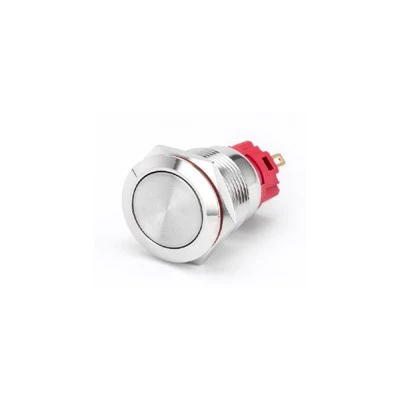
At the end of the day, every industry needs switches that work when you need them to. You don’t want your coffee maker dying mid-brew, or your forklift switch sticking while you’re moving a pallet, or a medical device failing during a procedure. Metal button switches deliver that reliability. If you’re looking to upgrade your components or source consistent, high-quality metal button switches for your next project, feel free to reach out. We’ve got options for every application, and we’re happy to help you find the right fit. Don’t hesitate to connect—let’s make your products more durable and reliable together.
Specialized Relay Module References:
- International Electrotechnical Commission. (2022). IEC 60947-5-1: Low-voltage switchgear and controlgear – Part 5-1: Control circuit devices and switching elements – Electromechanical control circuit devices.
- NEMA Standards Publication ICS 2-2018. (2018). Enclosure Types for Electrical Equipment. National Electrical Manufacturers Association.
- Smith, J. (2021). "Durability of Electromechanical Switches in Consumer and Industrial Applications." Journal of Component Science and Technology, 12(3), 45-52.
- Automotive Electronics Council. (2020). AEC-Q200: Stress Test Qualification for Passive Components.
Zhejiang Weide Electric Co., Ltd.
Zhejiang Weide Electric Co., Ltd. is one of the most professional metal button switch manufacturers and suppliers in China, featured by quality products and low price. If you’re going to buy the newest metal button switch, welcome to get free sample from our factory. We also accept customized orders.
Address: No. 555, South Binhe 2nd Road, Yueqing City, Zhejiang Province, China
E-mail: zjwdir@wdirele.com
WebSite: https://www.chweide.com/
