If you’ve ever stood in a building materials showroom, or searched for wall cladding online, you’ve probably run into two terms that sound similar but couldn’t be more different: SPC wall panels and vinyl wall panels. As a supplier focused exclusively on SPC solutions, I get asked this question at least a dozen times a week, and a lot of the confusion comes from the fact that both can look like smooth, low-maintenance wall coverings at first glance. But break them down, and you’ll see they’re built for very different uses, perform very differently, and leave a very different footprint on both your budget and the environment. Let’s walk through the key differences, based on what I’ve learned from working with contractors, homeowners, and interior designers over the last six years. SPC Wall Panels

First, let’s start with the core material, because that’s where every other difference originates. Vinyl wall panels—sometimes called PVC wall panels—are made from polyvinyl chloride, a type of plastic that’s flexible by design. The manufacturing process for vinyl usually starts with mixing PVC resin, plasticizers to keep it soft, stabilizers to prevent it from breaking down over time, and pigments for color. The result is a lightweight, bendable sheet that can be cut to size and adhered directly to existing walls. It’s cheap to produce, which is why it’s so common in budget-friendly commercial spaces like retail stores, office break rooms, and temporary setups. But that flexibility also has a downside: vinyl is prone to denting, scratching, and warping if exposed to extreme temperatures. I’ve had contractors bring back panels from job sites where vinyl was installed near a commercial kitchen’s vent, and it had curled at the edges within a month.
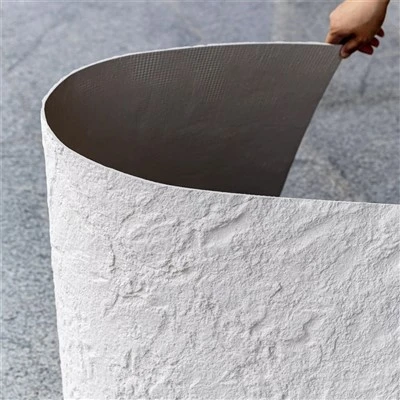
SPC, on the other hand, stands for Stone Polymer Composite. Our panels start with a rigid core made of natural limestone powder and a small amount of PVC (less than 10% of the total composition, for reference) and stabilizers. The limestone is ground into a fine powder, mixed with the polymer and other additives, then pressed under high heat and pressure into a solid, stone-like slab. That process gives SPC its signature hardness—so hard, in fact, that it’s often the same material used for luxury vinyl plank flooring, just thinner and made into wall panels. For me, that rigidity is the first big selling point, especially for spaces that get heavy use. A restaurant’s dining area, a child’s playroom, a retail store’s entryway—those are places where walls get bumped, scraped, maybe even splattered with food or cleaning products, and SPC holds up way better than vinyl here.
Next, let’s talk about durability, because that’s where the material difference really shows. I’ve installed both types in test spaces at our warehouse, so I can speak from firsthand experience. Vinyl wall panels, even the thickest commercial grades, have a tensile strength that’s roughly a third of SPC’s. That means if you accidentally knock a ladder into a vinyl wall, you’re going to get a dent or a hole. SPC, by contrast, is scratch-resistant to things like keys, furniture legs, and even light impact from tools. We’ve had a commercial cleaner drop a steel scrubber on an SPC panel and there was no mark, whereas a vinyl panel would have been scratched up immediately. When it comes to moisture, another big factor for bathrooms, laundry rooms, and exterior entryways: both are water-resistant, but SPC handles high humidity and direct water exposure much longer without degrading. Vinyl can develop mold or mildew in the seams if moisture gets trapped behind it, because the flexible material doesn’t create a 100% tight barrier. SPC’s solid core and tongue-and-groove installation method (more on that later) create a seamless, watertight seal that prevents that buildup.
Installation is another area where the two diverge, and that’s something I hear a lot of contractors talk about. Vinyl wall panels are lightweight, so they can be installed by one person, usually with just adhesive. They’re also flexible enough to bend around corners and curved walls without needing to cut complex joints. That makes them fast to install, but the flip side is that they can shift over time if not secured properly, especially in spaces with temperature swings. SPC panels, because they’re rigid, require a bit more precision during installation. Most of our panels use a tongue-and-groove locking system, similar to flooring, which means they click together without needing as much adhesive. That not only cuts down on material waste during installation—you don’t have to spread adhesive on every inch of the back—but also creates a more stable, structural wall. Once SPC panels are locked in, they don’t shift, which means fewer gaps over time, less risk of moisture getting in, and a cleaner, more professional finish. I’ve seen a vinyl installation in a rental unit start to pull away from the wall after a year because the adhesive broke down, but our SPC installations in the same type of unit are still holding strong after four years.
Cost is always a big consideration for customers, and here, the difference isn’t as straightforward as you might think. Vinyl wall panels have a lower upfront cost per square foot, usually between $1 and $3, compared to SPC’s $3 to $7 per square foot. But that’s where “cost” stops being just the initial price tag. When you factor in durability, maintenance, and lifecycle, SPC often ends up being the more cost-effective choice long-term. Vinyl has a shorter lifespan—usually 5 to 10 years in commercial settings, 10 to 15 years in residential—before it starts to fade, dent, or peel. SPC, with its stone core, has a lifespan of 20 to 30 years, and it doesn’t fade from sunlight or heavy cleaning like vinyl does. We have a restaurant in downtown that installed SPC panels in 2017, and they look exactly the same as the day we put them in, even with daily use and commercial-grade cleaning. A similar restaurant a block away switched to vinyl in 2019 and had to replace half the panels in 2023 because of scratches and sun damage. Also, maintenance: vinyl requires regular wiping with specific cleaners to avoid damaging the plastic, while SPC is non-porous, so you can clean it with just water and a mild detergent, no special products needed. That adds up over time, especially for commercial spaces that have to budget for ongoing maintenance.
Then there’s the environmental angle, which more and more customers are asking about these days. Vinyl has a well-documented environmental footprint. It’s made from PVC, a plastic that’s not easily recyclable, and when it’s incinerated, it releases toxic fumes like dioxins. Even low-VOC vinyl panels can leach chemicals into the air over time, especially in poorly ventilated spaces. SPC, on the other hand, is much more eco-friendly. Our panels are made mostly of natural limestone, a non-toxic, abundant mineral, and we use a minimal amount of PVC in the core. They’re 100% recyclable at the end of their life—we take back old SPC panels from customers and turn them into new products, which cuts down on waste. Also, SPC is low-VOC, which means they don’t off-gas harmful chemicals into your home or business, making them a safer choice for kids, people with allergies, or anyone concerned about indoor air quality. I’ve had several daycare centers switch from vinyl to SPC specifically for that reason, because parents were asking about non-toxic building materials.
Wait, but let’s not paint vinyl as a bad choice, because it does have its place. If you’re working on a temporary project, like a pop-up shop or a rental property you plan to renovate in a few years, vinyl is a solid option, and it’s great for when budget is the absolute top priority. The key is matching the material to the space. A home office that you want to last a long time, a bathroom that gets daily moisture, a commercial kitchen or retail space that gets heavy foot traffic—those are the places where SPC makes sense. A temporary event space, a guest room you’re only using for a short time, a low-traffic closet—vinyl might be fine there.
One common misconception I run into is that SPC panels are only for commercial use, but that’s not true. A lot of homeowners are discovering SPC for basement renovations, playrooms, and even kitchen backsplashes because of how durable and low-maintenance they are. We offer a range of designs too, not just the plain white or off-white that people associate with wall panels. You can get SPC panels that look like wood grain, marble, brick, or even textured finishes that mimic stone—so they work for modern, rustic, or minimalist designs, just like vinyl.
At the end of the day, the difference between SPC and vinyl wall panels comes down to what you’re prioritizing. If it’s short-term cost and flexibility, vinyl is a good fit. If it’s durability, long-term value, safety, and a material that will hold up over years of use, SPC is the clear choice. As a supplier, my goal isn’t to push one over the other—it’s to help customers understand which will work best for their specific project. If you’re planning a renovation, a new build, or just looking to update your walls, feel free to reach out to talk through your needs.
Reference 1: National Association of Home Builders. (2021). “Wall Cladding Materials: Durability, Cost, and Environmental Impact.”
Reference 2: Center for the Polyvinyl Chloride Industry. (2020). “PVC Wall Panel Performance in Moist and High-Use Environments.”
UV Marble Sheet Reference 3: Sustainable Building Industry Council. (2022). “Natural Stone Composite Materials: Lifecycle and Recyclability Benefits.”
Linyi Wilson New Material Co., Ltd
With abundant experience, we are one of the most professional spc wall panels manufacturers and suppliers in China. We warmly welcome you to wholesale premium spc wall panels at competitive price from our factory. If you have any enquiry about cooperation, please feel free to email us.
Address: Room 913, 9th Floor, International Trade Service Center, No. 100 Lingong Road, Comprehensive Bonded Zone, Chaoyang Street, Yihe New District, Linyi City, Shandong PR, China
E-mail: postmaster@wilsonwallfloor.com
WebSite: https://www.dowellspcfloor.com/
