If you’ve ever worked with packaging, labeling, or any kind of flexible packaging material, you’ve probably heard of BOPET film. For those who don’t know, BOPET stands for Biaxially Oriented Polyethylene Terephthalate—think of it as the durable, clear workhorse behind everything from snack bags to retail tags. As someone who’s been supplying standard BOPET film for over a decade, one of the questions I get most often from new clients is “What’s the standard thickness range I should be using?” It’s not a one-size-fits-all answer, but once you get the lay of the land, it’s way easier to pick the right film for your project. Standard BOPET Film
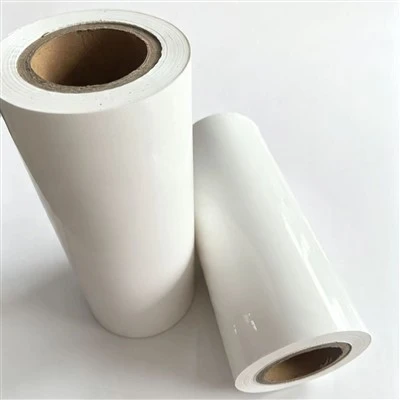
First, let’s keep this real: when people ask about standard thickness ranges, they’re usually not talking about super niche, custom films. They need a baseline that works for most common applications without breaking the bank. BOPET is made by stretching PET both lengthwise and crosswise (that’s the “biaxially oriented” part) to make it stronger, more consistent, and way clearer than regular cast PET. The thickness range for standard BOPET isn’t random, either—each range is tuned for specific jobs.
Let’s start with the thinnest end, because that’s where a lot of folks new to flexible packaging first dip their toes. The lowest standard thickness for BOPET that we supply is around 12 microns (that’s 0.012 millimeters, for the unit nerds out there). Wait, 12 microns? That’s thinner than a strand of human hair, right? Yeah, almost. We use 12-micron BOPET for things like inner liners for snack wrappers, shrink sleeves that need to wrap tightly around bottles, or even as a base for lamination with other materials like paper or aluminum foil. It’s lightweight, cheap, and doesn’t add a ton of bulk, which is perfect if you’re shipping products where weight matters (hello, reduced freight costs!). But here’s the catch: 12 microns is pretty flimsy on its own. You can’t use it for things that need extra durability, like heavy-duty shopping bags or outdoor signage. It’s meant to be part of a stack, not the main event.
Next up, the most popular range by far for everyday packaging is 16 to 23 microns. This is the sweet spot for most small to medium businesses, in my experience. Let’s break it down: 16-micron BOPET is still light, but it’s a step up from 12. We use that for things like price tags, die-cut labels for skincare or beauty products, or as a top layer for food packaging that needs a little more scratch resistance. 19-micron is the middle ground here—super versatile. It’s thick enough to stand up to light handling, clear enough that graphics printed on it look crisp, and doesn’t cost much more than the 16-micron stuff. A lot of our repeat clients go with 19 microns for their custom printed packaging because it’s durable enough to hold up on retail shelves without getting scuffed or torn. Then 23 microns is a bit heavier, used for things like seed packets, small product pouches, or even window panels in cardboard boxes—you know, the little clear window that shows off a snack inside? That’s often 23-micron BOPET. It’s still standard, not a custom spec, and works for almost any indoor or low-stakes outdoor use.
Now, if you’re doing something a little more heavy-duty, you’ll move into the mid-standard range: 25 to 50 microns. This is where BOPET starts to act more like a standalone material instead of a base layer. Let’s be clear—this is still standard, not the ultra-thick custom stuff that we make for aerospace or industrial parts (we save that for special requests). 25-micron BOPET is go-to for things like laminated pouches that need to hold liquid, like juice boxes or small sauce packets. It’s thick enough that it doesn’t puncture easily, and when you laminate it with foil, it becomes a total barrier for moisture and oxygen. 36-micron is another workhorse here—we use that for things like hanging file folders, decorative panels for store displays, or even as a replacement for plastic sheeting in some craft projects. It’s rigid enough to hold its shape, so you don’t have to worry about it crumpling up if you’re handling it a lot. 50 microns is the thick end of the standard range, and it’s used for things like heavy-duty labeling for industrial equipment, outdoor banners that need to resist wind and sun, or even the stiff backing on photo albums. It’s not as thick as a sheet of paper, but it’s way more durable and doesn’t bend out of shape easily.
Wait a second, you might be wondering why there’s a gap between like 50 microns and, say, 100 microns—why don’t we call that standard? Good question. The truth is, films over 50 microns are usually considered “heavy gauge,” and they’re custom for specific uses. Most regular packaging and labeling doesn’t need that, so suppliers like us don’t stock it as standard. It’s more expensive to produce, and most clients don’t want to pay for extra thickness they don’t need. That’s a key point I try to drill into new people: more thickness isn’t always better. If you’re making a snack bag, you don’t need 50-micron BOPET—you’re just wasting money on extra material that no one will notice. It’s like buying a truck to go to the grocery store; it works, but it’s overkill.
Now, let’s talk about what actually determines which thickness you need, because it’s not just about how big your product is. From years of answering questions, I can tell you the biggest factors are: what’s the product inside the packaging? If it’s something that’s liquid, you need a thicker film to prevent leaks. If it’s dry, like cereal or candy, a thinner film works just fine. Then there’s the durability factor: will this package be handled by consumers multiple times? If it’s a single-use bag for chips, you can go thin. If it’s a reusable food container liner, you’ll need something thicker. Also, printing matters—thinner films tend to be more flexible, so they can take curved printing better, but thicker films hold sharp lines for detailed graphics really well. Oh, and barrier properties: if you need your packaging to keep air or moisture out (to keep food fresh longer, for example), thicker films can have better barrier properties, especially when laminated. But again, that’s not a hard rule—some 16-micron films are treated to be almost as good as thicker ones, at a lower cost.
I’ve seen so many people waste money on thicker film than they need. Last year, a small craft brewery came to us asking for 30-micron BOPET for their beer labels. We explained that 19-micron would be more than enough—beer labels don’t need to be that thick, and 19-micron would stick better to the glass, cost less, and still hold up to the condensation from cold beer. They went with 19 microns, saved almost 20% on their material costs, and their customers couldn’t tell the difference. That’s the kind of thing I love to help with—making sure you get the right standard thickness, not just the thickest one.
Another thing to keep in mind: not all standard BOPET film is the same thickness, even when it’s labeled the same. Some suppliers might have a “19-micron” film that’s actually 18.5 microns, which can mess up your lamination or printing. For us, we test every roll to make sure it’s within 0.5 microns of the labeled thickness—consistency is key, especially if you’re running big production runs. If your film is too thin, it might tear during processing; if it’s too thick, it might jam in your printing press. That’s why sticking to a reputable supplier who guarantees consistent standard thickness ranges is so important.
Wait, should I mention the different grades? No, let’s keep this focused on thickness. But one quick tip: if you’re working with a converter (the person who turns BOPET into packaging), always ask if they use standard gauge film or if they add extra for their process. Sometimes converters will specify a thickness that’s a little higher than the base standard because their machinery works better with it, but that’s just a minor adjustment, not a custom spec.
Let me circle back to the original question: what’s the standard BOPET film thickness range? From what we stock and what most of our clients use, it’s 12 microns up to 50 microns. That’s the standard, off-the-shelf range—no special orders, no minimums that are crazy high, just the stuff that’s ready to ship within a few days. Films above 50 microns are specialty, and films below 12 microns are usually too thin for most commercial uses (we do make 9-micron for shrink film, but that’s super specific).
I’ve been in this business long enough to know that there’s a lot of misinformation out there. Some people think thicker is always better, some think any BOPET is the same regardless of thickness, and others don’t even know that BOPET comes in different thicknesses. The sweet spot for most small to medium businesses is 16 to 25 microns—versatile, affordable, and works for 90% of common applications. If you need something heavier, 25 to 50 microns is still standard, no custom work required.
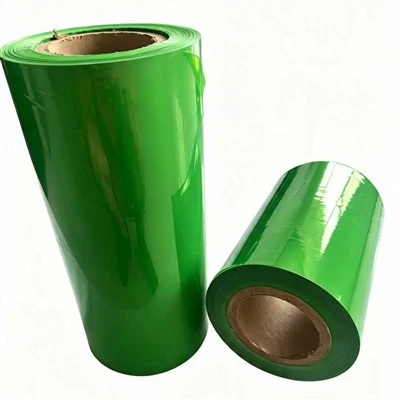
At the end of the day, the goal is to pick a thickness that meets your needs without overspending. If you’re not sure which standard thickness is right for your project, feel free to reach out. We’ve helped everything from small Etsy shops to large food manufacturers pick the right BOPET film, and we can walk you through the pros and cons of each thickness, no sales pressure, no confusing jargon. Just tell us what you’re making, and we’ll help you figure out the perfect standard thickness for your needs.
To discuss your BOPET film requirements, reach out to our team for a tailored consultation.
Biaxially-Oriented Polyethylene Terephthalate References
The Society of Plastics Engineers. (2020). Flexible Packaging Materials Handbook: Biaxially Oriented Polyethylene Terephthalate (BOPET). SPE Publishing.
Flexible Packaging Association. (2021). Industry Guidelines for BOPET Film Thickness Specifications. FPA Technical Report.
Modern Plastics. (2019). “Understanding BOPET Film Grades and Gauges for Commercial Applications.” Modern Plastics Magazine.
Qingzhou Huiyuan Packaging Materials Co., Ltd.
As one of the most professional standard bopet film suppliers in China since 1997, we’re featured by quality products and good service. Please feel free to buy cheap standard bopet film made in China here from our factory. For price consultation, contact us.
Address: Naoshan Industrial Park, Shaozhuang Town, Qingzhou City, Weifang, Shandong Province, China.
E-mail: 15864598133@163.com
WebSite: https://www.huiyuanfilms.com/
