Hey there! If you’re reading this, chances are you’ve got a stunning quartz slab in your kitchen—you know, the one that makes all your guests go “wait, that’s not actual stone?” and panic a little when they spill red wine or lemon water all over it (yep, been there). Full transparency: I’ve been selling and installing kitchen quartz slabs for 8 years now, so I’ve seen every possible mess you can throw at one of these bad boys. From burnt-on pancake grease that’s been caked on for a week to the random toothpaste smudge your kid left by the bathroom-adjacent counter (don’t ask), I’ve got the lowdown on cleaning quartz the right way—no fancy tools, no harsh chemicals that’ll ruin your slab, just stuff you probably already have in your pantry. Let’s dive in, yeah? Kitchen Quartz Slab
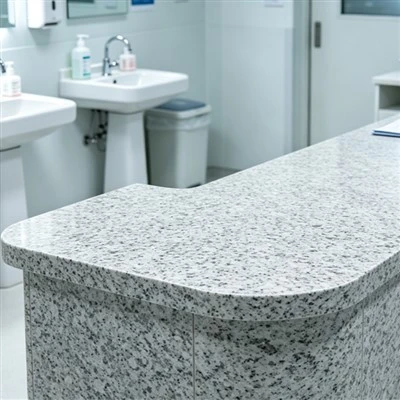
First off, let’s get one thing straight: quartz is way more durable than regular granite or marble, which is why it’s my go-to for every residential and commercial kitchen we supply. It’s engineered with 90% natural quartz crystals and 10% resin binders, so it’s non-porous—meaning it doesn’t soak up spills like a sponge. That’s a game-changer, but it also means you can’t just grab any old cleaner off the shelf. I’ve had customers come to me saying they used “oven cleaner” on a grease stain and now their countertop has a weird, faded spot. Ouch. Don’t do that. Oven cleaner is way too harsh, and bleach? Skip it too—even diluted bleach can break down the resin over time, making your slab look dull after a few months.
Let’s start with daily cleaning, because that’s the easiest part. You make coffee, wipe up a crumb, chop veggies—all that jazz. For routine messes, all you need is warm water and a soft microfiber cloth (stay away from steel wool or scouring pads, those’ll leave tiny scratches that collect gunk later). Just dampen the cloth, wipe down the counter, and buff with a dry part of the cloth to get rid of streaks. Done in 30 seconds, no fuss. If you’ve got super sticky stuff, like a lollipop stain or leftover syrup from pancakes, add a tiny drop of mild dish soap (the kind you use for dishes, not the heavy-duty degreaser—think Dawn original, not the one for tough baked-on pots). Swish it in the warm water, wipe, buff. That’s it. I tell all our clients this is non-negotiable for daily use—quartz doesn’t need fancy maintenance, just regular wipe-downs to prevent gunk from building up.
Now, what about the stuff that’s not daily? The occasional tough spot. We’re talking coffee rings that have been there for a few days, baked-on grease from when you set a hot pan on a trivet and spilled oil around it, or even that marker your teen used when they were doing homework on the counter (guilty). For these, I swear by a baking soda paste. Here’s how you make it: mix 1 part baking soda with 2 parts warm water until it’s a spreadable paste—like toothpaste, not runny soup. Slather that directly onto the stain, let it sit for 10-15 minutes (don’t let it dry all the way, just long enough for the baking soda to do its thing), then wipe it off with a damp microfiber cloth and buff dry. I’ve used this on everything from red wine stains (fresh ones, at least—more on that in a sec) to food coloring spills when my niece was decorating cookies. No scratches, no fading, works like a charm. Pro tip: if the stain is on the edge of the slab or a seam, don’t press too hard when wiping—seams are a little more delicate than the main surface, even though our slabs are engineered to fit together super tight.
Wait, let’s talk about emergency spills—because we all have them. Red wine is the big one, right? Someone spills a glass at a dinner party, you’re panicking because it’s gonna leave a permanent mark. First rule: act fast. Don’t wait. Grab a clean cloth, paper towel, whatever, and blot the spill—don’t rub. Rubbing will just push the wine deeper into the tiny cracks (even non-porous quartz has micro-scratches that can catch stuff) and make the stain worse. Blot until you’ve soaked up as much as possible, then go in with that baking soda paste if there’s any leftover discoloration. If it’s a really dark stain, like red wine or tomato sauce, you can make a baking soda and hydrogen peroxide paste (use 3% household hydrogen peroxide, not the 10% stuff you get at a drugstore for cuts). The peroxide is gentle enough on quartz but tough on organic stains. Let that sit for 20 minutes, then wipe off. I’ve had this work on a 2-year-old red wine stain on a client’s island—she thought she’d have to replace the slab, and we fixed it in 5 minutes. Win.
Now, the stuff you should never use on your quartz slab. Let’s get this out of the way so no one makes the same mistakes I’ve seen over the years. First, abrasive cleaners: Comet, Ajax, Bartender’s Friend—those have tiny scrubbing particles that will scratch the surface. Once you scratch quartz, it’s harder to clean, and the scratches will look gray or dull over time. No good. Then, harsh chemicals: bleach, ammonia, oven cleaner, drain cleaner—all of these break down the resin binder in quartz, leading to fading, dull spots, or even a sticky residue that’s impossible to wipe off. I once had a commercial client who used ammonia to clean their bar quartz, and by the end of the year, the whole back bar had a weird, cloudy film. Had to re-polish the entire slab, which cost them way more than if they’d just used dish soap. And hot stuff? Wait, quartz is heat-resistant, right? Yeah, up to like 300 degrees Fahrenheit. So a hot pan right off the stove is fine, but a pizza straight from the oven (which is like 500 degrees) or a roasting pan from the holiday turkey? Don’t set that directly on the quartz. Use a trivet or a hot pad—even if it says “heat-resistant” on the package, it’s better safe than sorry. I’ve seen a client’s quartz slab get a burn mark from a roaster that was left on the counter for an hour. It’s not ruined, but it’s a discolored spot that’s noticeable.
Wait, what about daily life stuff you might not think about? Like citrus—lemon juice, orange juice, vinegar. Is that bad? I’ve had so many people ask me this. The short answer: no, in small amounts. If you spill a little lemonade on the counter, wipe it up right away, no problem. But if you leave citrus juice sitting there for hours, like if you marinate chicken on the counter and spill the lemon marinade, that can etch the surface? Wait, no—actually, quartz is non-porous, so etching is more marble/granite. But citrus is acidic, and over time, if you’re leaving it there every day, it can make the resin look dull. So better to wipe it up, same as anything. And for vinegar? Same thing—diluted vinegar in a cleaning solution is fine, but straight vinegar on the counter and letting it sit? Not ideal. Stick to the mild stuff, and you’re good.
Another common question: can you polish quartz yourself? I get this all the time. Our quartz slabs have a polished finish that’s built into them—unlike marble, you can’t re-polish them at home with a regular buffer. If your slab starts to look dull, it’s not the finish wearing off (unless you’re using abrasive cleaners), it’s just buildup from gunk or hard water. For that, a simple wipe-down with a little dish soap and warm water is enough, or a glass cleaner that’s ammonia-free (Windex original is bad, but Windex Advanced Glass Cleaner is okay—just make sure it doesn’t have ammonia). If you do get a scratch, a tiny surface scratch that’s not too deep, you can use a mild polishing powder made for quartz—just follow the instructions, don’t use anything too harsh. But for deeper scratches, you’ll want to reach out to a professional, or if it’s under warranty, let us know (we offer a 15-year warranty on all our kitchen quartz slabs, so that’s a perk for our clients).
Let me throw in a real client story to make this relatable. A few months back, I had a guy named Mike come in with a stain on his quartz island. He’d been making barbecue sauce for a summer cookout, spilled a big glob on the counter, and tried to wipe it up with Comet because he thought it was tough. By the time he was done, the area was all scratched and had a dull spot. I told him to go home, mix up that baking soda paste, let it sit for 20 minutes, wipe it off, and then use a soft cloth to buff. He texted me an hour later saying it was gone—no scratch, no dull spot. He ended up ordering a full slab for his outdoor kitchen too, which was a win-win for everyone. That’s the kind of stuff I love hearing—simple fixes work, no need for fancy stuff.
Now, let’s talk about long-term care. If you follow the daily and weekly routine I mentioned, your quartz slab will look like new for years. But there are a few extra things to keep in mind. First, sealant? Wait, quartz doesn’t need to be sealed. That’s a big difference from granite or marble—sealing is a hassle, you have to do it every year or so. With quartz, since it’s non-porous, you never have to seal it. I tell all our clients that’s one of the best parts of quartz—no maintenance beyond regular cleaning. Second, avoid dragging heavy or sharp objects across the counter. If you’re moving a big can of paint or a knife for chopping, don’t slide it. Lift it. Even though quartz is durable, sliding sharp things can cause scratches. Third, if you’re using a cutting board—obviously, don’t cut directly on the quartz surface, right? Wait, actually, most quartz is scratch-resistant, but it’s still better to use a cutting board. Knives can dull your blades more than scratch quartz, so it’s a win for your kitchen tools too.
At the end of the day, cleaning quartz is super easy, way less work than natural stone. I’ve been selling kitchen quartz slabs for 8 years, and I still recommend it to every client because it’s low-maintenance, durable, and looks amazing. If you’re in the market for a new quartz slab for your kitchen, or you have questions about maintaining the one you already have, feel free to reach out to our team for procurement talks. We can help you pick the right slab for your space, answer any questions about cleaning or care, and get you set up with something that’ll look great for years. No pressure, just honest advice from someone who’s been in the kitchen stone game for a long time.
Wait, just to recap the key points so you don’t forget: daily = warm water + microfiber cloth, weekly = mild dish soap + warm water, tough spots = baking soda (or baking soda + 3% peroxide for stains), NEVER use abrasive cleaners, bleach, ammonia, oven cleaner, don’t set hot pans (over 300 degrees) directly on the slab, and don’t drag sharp or heavy things across the surface. Follow those rules, and your quartz slab will look like new for as long as you own your home.
I think that covers everything. If you have any other questions about cleaning quartz, or you’re looking to source a kitchen quartz slab for your next project, don’t hesitate to connect with our procurement team. We’re here to help make your kitchen experience as smooth as possible—no stress, no fancy cleaning hacks, just good advice from people who know quartz inside and out.
Quartz Flooring References:
- National Kitchen and Bath Association. (2022). Quartz Countertop Care & Maintenance Guide.
- Stone World Magazine. (2021). Common Mistakes in Quartz Countertop Cleaning and How to Avoid Them.
- International Masonry Institute. (2020). Engineered Stone Care Best Practices for Residential Kitchens.
- Quartz Manufacturers Association. (2023). Non-Porous Surface Cleaning Guidelines for Engineered Quartz Slabs.
Wuhu Junde New Material Technology Co., Ltd.
As one of the most experienced kitchen quartz slab manufacturers and suppliers in China since 1998, we warmly welcome you to wholesale top-quality kitchen quartz slab made in China here from our factory. If you have any enquiry about cooperation, please feel free to email us.
Address: No.8 Yulin Road, Xinwu Economic Development Zone, Anhui Province, China
E-mail: 1127319898@qq.com
WebSite: https://www.jundequartz.com/
