If you’ve ever fumbled with a scratched pair of your favorite sunglasses, stared at a pair with a perfectly good frame but busted lenses, or wondered if you can skip buying a whole new pair to save some money and reduce waste—this post is for you. As a sunglasses supplier who’s spent the last eight years working directly with customers, opticians, and frame manufacturers, I get this question nonstop: Can you replace sunglasses lenses? The short answer is yes… but it’s not as straightforward as grabbing any old pair of lenses from a drugstore and swapping them out. There are a lot of moving parts here, from frame type to lens material, and getting it right matters way more than just making your shades look good. Let’s break this down like I would for a customer standing at our shop counter, and pull back the curtain on what actually goes into lens replacement. Sunglasses

First, let’s talk about why someone would want to replace their sunglasses lenses in the first place. I’ve seen every scenario: A customer brought in a pair of $300 designer frames they’d had for three years, the lenses got cracked when they dropped them on a hike, and they didn’t want to toss the frames because the style was one-of-a-kind. Another regular had a pair of classic aviators that fit perfectly, but their prescription had changed, so they didn’t want a whole new set of frames to match their new vision. Then there are the environmental reasons—sunglasses are one of the most commonly discarded accessory items, and the average pair only lasts two to three years before being tossed, most often because of a lens scratch or crack. Replacing lenses is a simple, easy way to cut down on that waste, right? It’s like getting a new set of tires for your car instead of buying a whole new vehicle.
But before we get into the how-to, let’s clear up what’s possible and what’s not. Not all sunglasses lenses are replaceable. For example, cheap mass-produced sunglasses from big box stores—like the $10 or $20 pairs you grab at a gas station or grocery store—are almost always designed with lenses that are glued or fused into the frame. The frames themselves are thin, low-quality plastic, and swapping lenses would almost certainly crack the frame or leave gaps that let in UV light. Those are a lost cause, and we always tell customers to just buy a new pair if theirs are that cheap. But if your sunglasses are mid-range or high-end, have frames that are made from durable materials like acetate, aluminum, or stainless steel, and have lenses held in by small screws (most of the time) instead of glue? Chances are, you can replace the lenses.
Now, let’s get into the science behind what makes a good replacement lens, because as a supplier, I’ll never cut corners here. The biggest mistake people make when trying to replace lenses on their own is grabbing a generic, one-size-fits-all lens from Amazon or a random online shop. Generic lenses might fit the shape, but they almost never match the original specifications of your sunglasses, which are designed to protect your eyes. Let’s talk about UV protection first. The whole point of sunglasses is to block 99-100% of UVA and UVB rays, right? Cheap generic lenses often only block 50-70% of UV light, which is worse than wearing no sunglasses at all. When you put on a pair of lenses that don’t block UV, your pupils dilate to let in more light, which actually lets more harmful rays into your eyes than if you’d skipped the sunglasses entirely. That’s a dangerous mistake that a lot of people don’t know about.
Next is lens material. Most replacement lenses are made from either polycarbonate or Trivex, two materials that are standard in high-quality sunglasses for good reason. Polycarbonate is impact-resistant, which is perfect for people who hike, cycle, or do anything where their sunglasses might get knocked around. It’s also lighter than glass, so it doesn’t add extra weight to your frames. Trivex is similar, but it’s even more impact-resistant and has better optical clarity, which means less distortion when you look through the lens—something that’s super important if you wear prescription sunglasses. A lot of generic lenses are made from acrylic, which is cheap and easy to mold, but it scratches really easily, and it doesn’t hold up to impact at all. I had a customer last year who used acrylic replacement lenses from a big box retailer, and he ended up with a scratch in the lens after one week of wear that made it impossible to drive in bright sunlight. That’s why material matters.
Then there’s polarization, if your original lenses were polarized. Polarized lenses have a special chemical coating that cuts down on glare from water, roads, and snow—something that’s non-negotiable for drivers, fishermen, or anyone who spends a lot of time outdoors. Generic polarized replacement lenses often have a poor quality coating that peels off after a few months, or they don’t block glare as well as the original lenses. At our company, we work with manufacturers that produce polarized replacement lenses with a durable, scratch-resistant coating that’s bonded to the lens, not just sprayed on, so it lasts for years.
Now, let’s get into the process of replacing lenses, and what you need to know if you’re planning to do it yourself, or if you want to work with a professional (which is almost always the better choice). For people who want to try DIY, it’s possible if you have the right tools and are careful. Most replaceable sunglasses frames have small screws in the hinges or along the inside of the frame that hold the lens in place. You’ll need a tiny screwdriver (usually a Phillips #00 or a flathead, depending on the frame) to remove the old lens, clean out any dirt or debris from the frame, and then press or screw in the new lens. But here’s the catch: you have to get the exact right size and shape of lens for your specific frame. Even a 0.5mm difference in lens width can make it impossible to fit, or it can leave gaps that let in UV light. That’s why we always tell customers to measure their old lenses carefully, or bring their frame to a professional, to make sure they order the right replacement.
I’ll be honest, I’ve seen a lot of DIY lens replacement attempts go wrong. Last month, a customer brought in a pair of my favorite Ray-Ban Wayfarers that he’d tried to replace the lenses on himself, and he’d scratched the frame so badly when prying out the old lenses that the whole frame was ruined. He’d used a flathead screwdriver and slipped, leaving deep gouges in the acetate frame. That’s why professional lens replacement is worth the extra cost. A professional will not only have the right tools and measurements, but they’ll also check to make sure the new lenses are properly aligned, have the right UV protection, and fit the frame perfectly, no gaps, no scratches.
Another big reason to consider professional replacement is if you have prescription sunglasses. If you have progressive lenses, or any other specialized prescription, you can’t just buy a generic replacement lens. You need lenses that are cut to match your exact prescription, and that fit your frame’s specific shape without distorting your vision. We work with a network of opticians who can cut prescription replacement lenses for almost any frame, and it’s way cheaper than buying an entirely new pair of prescription sunglasses. I had a customer a few years ago who had a complex astigmatism prescription, and buying new prescription sunglasses would have cost him over $500. We replaced his old lenses with custom prescription ones for less than $150, and he said it was the best decision he’d made all year.
Now, let’s talk about common myths about replacing sunglasses lenses, because I hear these all the time. The first myth is that replacing lenses is too expensive. A lot of people think buying a whole new pair of sunglasses is cheaper than replacing lenses, but that’s not always true. If your frames are high-quality (acetic, durable metal), replacing lenses usually costs between $50 and $200, depending on the lens type and prescription. A new pair of mid-range sunglasses is often $100 to $300, and designer pairs can be $300 or more. So if you love your frames, replacing lenses is almost always cheaper. The second myth is that all replacement lenses are the same, regardless of where you get them. As I mentioned earlier, generic lenses from online marketplaces often have lower UV protection, worse materials, and shorter lifespans. At our company, we sell replacement lenses that are made with the same quality materials as the original lenses for most major sunglass brands, so you know you’re getting a product that’s tested and durable.
The third myth is that you can’t replace lenses on any vintage sunglasses. That’s partially true, but it’s not impossible. Vintage frames from brands like Ray-Ban, Oakley, or Persol often have standard lens sizes that we can source replacement lenses for. The only time vintage frames are impossible to replace lenses on is if the frame is broken or custom-made, but most vintage frames that are in good condition can have lenses replaced. I’ve replaced lenses on 1970s aviators that my grandfather gave me, and it was way better than buying a new pair that doesn’t have the same sentimental value.
Now, let’s talk about when you should just bite the bullet and buy a whole new pair of sunglasses, instead of replacing lenses. If your frames are damaged—like if they’re bent beyond repair, have cracks in the frame, or the hinges are broken—replacing lenses won’t help. If your frames are really cheap, thin plastic that’s glued, not screwed, there’s no way to swap lenses without breaking the frame. And if the lenses are so scratched that the scratch is deep and goes all the way through the lens material, replacing them is probably worth it, but if it’s just a small surface scratch, you can sometimes buff it out with a toothpaste and a soft cloth (it works for small scratches on polycarbonate lenses, but not on acrylic or polarized lenses, so be careful).
As a sunglasses supplier, my goal isn’t just to sell you new sunglasses—it’s to help you make the most of the ones you already own, while also keeping your eyes protected. I’ve seen too many people toss perfectly good frames because of a small lens issue, and that’s a waste of money and resources. That’s why we offer replacement lenses for most major sunglass brands, at a range of price points to fit every budget. Whether you have a pair of everyday frames that need a new set of polarized lenses, a pair of prescription sunglasses that are scratched beyond use, or a vintage pair that’s too sentimental to replace, we can help.
If you’re not sure if your sunglasses are eligible for lens replacement, or if you’re ready to order replacement lenses, the best thing to do is reach out. Don’t guess at measurements, don’t buy a generic lens online that might not fit, and don’t risk damaging your favorite frames with a DIY attempt that goes wrong. Our team can walk you through the process, help you choose the right lens material and type, and make sure you get a perfect fit that will protect your eyes and last for years.
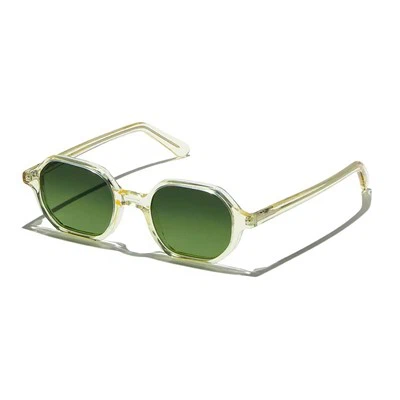
At the end of the day, replacing sunglasses lenses isn’t just a money-saver—it’s a smarter, more eco-friendly choice. The average person buys 3-4 pairs of sunglasses in their lifetime, most of which end up in landfills because of a small lens problem. By replacing your lenses instead of buying new frames, you reduce waste, save money, and keep wearing the frames you love. And most importantly, you keep your eyes protected from harmful UV rays, which is the whole reason we wear sunglasses in the first place.
TR90 Reading Glasses If you have any questions about replacing lenses for your specific frames, or if you’re ready to browse our replacement lens options, our team is here to help. We work with customers of all kinds, from hikers and fishermen to prescription wearers and vintage collectors, and we’re committed to making lens replacement simple, affordable, and reliable.
References
- American Academy of Ophthalmology. (2022). The Importance of UV Protection in Sunglasses. AAO.org.
- International Organization for Standardization. (2019). Ophthalmic Optics – Sunglasses and Related Eyewear – General Requirements. ISO 12312-1.
- Sunglass Association of America. (2021). Consumer Guide to Sunglass Care and Lens Replacement. SAA.org.
- Centers for Disease Control and Prevention. (2020). Preventing Eye Damage from UV Exposure. CDC.gov.
Yiwu Finewell Eyewear Co., Ltd.
Yiwu Finewell Eyewear Co., Ltd. one of the leading sunglasses manufacturers and suppliers in China. We warmly welcome you to buy or wholesale discount sunglasses from our factory. All customized products are with high quality and competitive price. Contact us for more details.
Address: 8th Floor, Building B4, Digital Industrial Park, No. 1057 Liuqing Road, Beiyuan Subdistrict, Yiwu City, Zhejiang Province, China
E-mail: Mariayang@ywfinewell.com
WebSite: https://www.finewelleyewear.com/
