When it comes to mining cables, two of the most commonly used materials are copper and aluminum. As a seasoned supplier in the mining cables industry, I’ve had the privilege of witnessing firsthand the unique characteristics and applications of both copper and aluminum cables. In this blog, I’ll delve into the differences between copper and aluminum mining cables, exploring their electrical properties, mechanical properties, cost, and environmental impact. Mining Cables

Electrical Properties
One of the most significant differences between copper and aluminum cables lies in their electrical conductivity. Copper is renowned for its excellent electrical conductivity, which is approximately 60% higher than that of aluminum. This means that copper cables can transmit electricity more efficiently, resulting in less energy loss and lower operating costs. In mining applications, where large amounts of power are required to operate heavy machinery and equipment, the high conductivity of copper cables can make a substantial difference in energy consumption and overall efficiency.
Another important electrical property to consider is the resistance of the cable. Resistance is the opposition to the flow of electric current, and it is directly related to the cable’s conductivity. Since copper has a lower resistance than aluminum, it can carry more current without overheating. This makes copper cables ideal for high-power applications, such as those found in mining operations.
Mechanical Properties
In addition to their electrical properties, copper and aluminum cables also differ in their mechanical properties. Copper is a dense and ductile metal, which means it can be easily drawn into thin wires without breaking. This makes copper cables more flexible and easier to install, especially in tight spaces or areas with complex routing requirements.
On the other hand, aluminum is a lighter and more brittle metal than copper. While this makes aluminum cables more cost-effective and easier to handle, it also means they are more prone to damage during installation and use. Aluminum cables are more likely to break or crack under stress, which can lead to electrical failures and safety hazards.
Cost
Cost is another important factor to consider when choosing between copper and aluminum mining cables. Copper is a more expensive material than aluminum, primarily due to its higher conductivity and greater demand. However, the cost of copper cables can be offset by their lower energy consumption and longer lifespan.
Aluminum cables, on the other hand, are more cost-effective than copper cables, making them a popular choice for budget-conscious mining operations. However, it’s important to note that the lower cost of aluminum cables may come at the expense of performance and reliability.
Environmental Impact
In recent years, there has been a growing emphasis on the environmental impact of mining operations. As a responsible supplier, I’m committed to providing sustainable solutions that minimize the environmental footprint of our products. When it comes to copper and aluminum mining cables, there are several environmental factors to consider.
Copper is a highly recyclable material, which means it can be reused and repurposed at the end of its life cycle. This helps to reduce the demand for new copper mining and minimize the environmental impact of the mining industry. Additionally, copper cables have a longer lifespan than aluminum cables, which means they need to be replaced less frequently, further reducing their environmental impact.
Aluminum is also a recyclable material, but the recycling process for aluminum is more energy-intensive than that for copper. This means that while aluminum cables may be more cost-effective in the short term, they may have a higher environmental impact in the long term.
Applications
The choice between copper and aluminum mining cables ultimately depends on the specific requirements of the mining operation. Copper cables are typically used in high-power applications, such as those found in large mining equipment and machinery. They are also ideal for applications where reliability and performance are critical, such as in underground mining operations.
Aluminum cables, on the other hand, are often used in low-power applications, such as lighting and control systems. They are also a popular choice for above-ground mining operations, where the lower weight and cost of aluminum cables can provide significant benefits.
Conclusion
In conclusion, copper and aluminum mining cables each have their own unique advantages and disadvantages. Copper cables offer superior electrical conductivity, flexibility, and reliability, but they are also more expensive. Aluminum cables, on the other hand, are more cost-effective and lighter, but they may be more prone to damage and have a higher environmental impact.
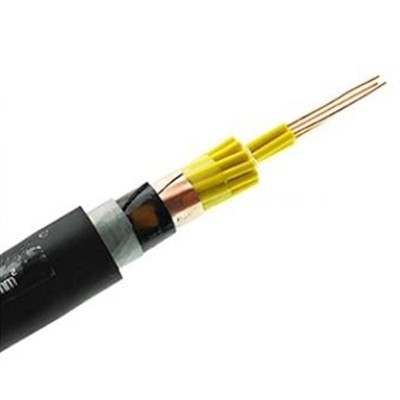
As a supplier of mining cables, I understand the importance of choosing the right cable for the job. That’s why I offer a wide range of copper and aluminum cables to meet the diverse needs of my customers. Whether you’re looking for a high-performance copper cable for a large mining operation or a cost-effective aluminum cable for a smaller project, I have the expertise and experience to help you make the right choice.
Power Cables If you’re interested in learning more about our mining cables or would like to discuss your specific requirements, please don’t hesitate to contact me. I’m always happy to answer your questions and provide you with the information you need to make an informed decision.
References
- "Copper vs. Aluminum Wiring: What’s the Difference?" by The Spruce
- "Aluminum vs. Copper Conductors: Which is Best for Your Application?" by Electrical Construction & Maintenance
- "The Environmental Impact of Copper Mining" by Copper Development Association
Shenhua Electric Group (Anhui) Co., Ltd.
As one of the most experienced mining cables manufacturers in China, featured by quality products and low price. Please rest assured to wholesale customized mining cables made in China here from our factory. For quotation, contact us now.
Address: No. 10, Jingjiu Road, Economic Development Zone, Tianchang City, Anhui Province
E-mail: 421300254@qq.com
WebSite: https://www.cnshcable.com/
