Monitoring the EndoVenous RF Plasma Closure System During the Procedure EndoVenous RF Plasma Closure System
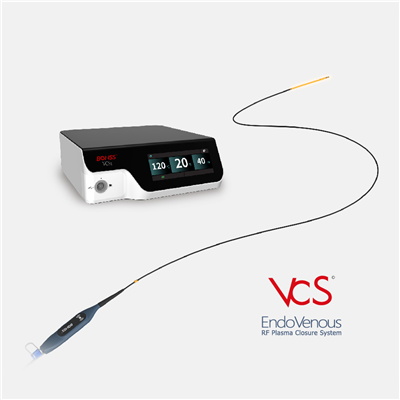
As a supplier of the EndoVenous RF Plasma Closure System, I’ve witnessed firsthand the transformative impact this technology has on the treatment of venous disorders. The EndoVenous RF Plasma Closure System offers a minimally invasive solution for closing varicose veins, providing patients with a quicker recovery and less discomfort compared to traditional surgical methods. However, the success of the procedure heavily relies on proper monitoring during the treatment. In this blog, I’ll delve into how the EndoVenous RF Plasma Closure System is monitored throughout the procedure.
Pre – procedure Monitoring
Before the actual treatment begins, a comprehensive pre – procedure assessment is crucial. This involves a detailed medical history review of the patient. We need to know about any pre – existing medical conditions such as diabetes, heart disease, or a history of blood clots, as these can affect the procedure and the patient’s ability to tolerate the treatment.
Physical examination of the affected limb is also carried out. The physician will assess the size, location, and extent of the varicose veins. Doppler ultrasound is a key tool in this pre – procedure phase. It helps in visualizing the venous system, identifying the exact path and diameter of the target veins, and detecting any potential anatomical variations. This information is essential for proper placement of the RF plasma catheter later in the procedure.
The patient’s vital signs, including heart rate, blood pressure, and oxygen saturation, are also recorded. These baseline values will be used for comparison during the procedure to ensure the patient’s physiological status remains stable.
Intra – procedure Monitoring
Real – time Imaging
One of the most important aspects of intra – procedure monitoring is real – time imaging. Doppler ultrasound continues to play a central role. It allows the physician to visualize the catheter tip within the vein during insertion. This ensures that the catheter is properly positioned at the intended treatment site.
Throughout the treatment, ultrasound is used to monitor the progress of vein closure. As the RF plasma energy is delivered, the vein walls heat up and start to contract. The ultrasound can detect changes in the vein’s diameter, wall thickness, and blood flow patterns. A decrease in blood flow within the treated vein is an indication that the closure process is working effectively.
Temperature Monitoring
The EndoVenous RF Plasma Closure System is designed to deliver a specific amount of energy to the vein walls to achieve optimal closure. Temperature monitoring is essential to ensure that the energy is being delivered safely and effectively.
The catheter used in the system is equipped with temperature sensors. These sensors continuously measure the temperature at the tip of the catheter, where the RF plasma is being generated. The temperature is carefully controlled to stay within a predefined range. If the temperature rises too high, there is a risk of thermal damage to the surrounding tissues, such as nerves, skin, or adjacent blood vessels. On the other hand, if the temperature is too low, the vein may not close properly, leading to treatment failure.
The temperature data is displayed on a monitoring console in real – time. The physician can adjust the energy output of the RF plasma generator based on the temperature readings to maintain a safe and effective treatment environment.
Energy Delivery Monitoring
In addition to temperature, the amount of energy delivered to the vein is also closely monitored. The RF plasma generator has built – in mechanisms to measure and control the power output. The energy is typically delivered in a pulsed or continuous manner, depending on the specific protocol.
The total energy dose delivered to the vein is calculated based on factors such as the length and diameter of the treated vein. By monitoring the energy delivery, the physician can ensure that the appropriate amount of energy is being applied to achieve complete vein closure without causing excessive damage.
Patient Monitoring
The patient’s well – being is of utmost importance during the procedure. Continuous monitoring of vital signs, including heart rate, blood pressure, respiratory rate, and oxygen saturation, is carried out. Any significant changes in these parameters can indicate a potential complication, such as a vasovagal response, allergic reaction, or blood loss.
The patient’s level of pain and discomfort is also assessed. Local anesthesia is usually used during the procedure, but some patients may still experience mild to moderate pain. If the pain is severe, it may be a sign of improper catheter placement or excessive energy delivery, and appropriate measures need to be taken.
Post – procedure Monitoring
After the EndoVenous RF Plasma Closure System procedure is completed, the patient is closely monitored in the recovery area. Vital signs are checked regularly to ensure that they remain stable.
Doppler ultrasound is performed again to confirm the successful closure of the treated vein. The ultrasound can detect any residual blood flow in the vein, which may indicate incomplete closure. In such cases, additional treatment may be required.
The patient is also observed for any signs of complications, such as hematoma (blood collection under the skin), infection, or deep vein thrombosis. The patient is provided with instructions on post – procedure care, including wearing compression stockings, avoiding strenuous activities, and taking any prescribed medications.
Follow – up appointments are scheduled to monitor the long – term results of the treatment. These appointments may include further ultrasound examinations to assess the status of the closed vein and to check for the development of new varicose veins.
Importance of Monitoring
Proper monitoring during the EndoVenous RF Plasma Closure System procedure is essential for several reasons. Firstly, it ensures the safety of the patient. By closely monitoring temperature, energy delivery, and vital signs, the risk of complications such as thermal injury, excessive bleeding, or adverse systemic reactions can be minimized.
Secondly, monitoring enhances the effectiveness of the treatment. Real – time imaging and energy delivery monitoring allow the physician to make adjustments during the procedure to ensure complete vein closure. This leads to better long – term outcomes for the patient, with a lower likelihood of recurrence of varicose veins.
Finally, monitoring provides valuable data for research and quality improvement. The data collected during the procedure, such as temperature profiles, energy doses, and treatment outcomes, can be analyzed to optimize treatment protocols and improve the design of the EndoVenous RF Plasma Closure System.
Conclusion
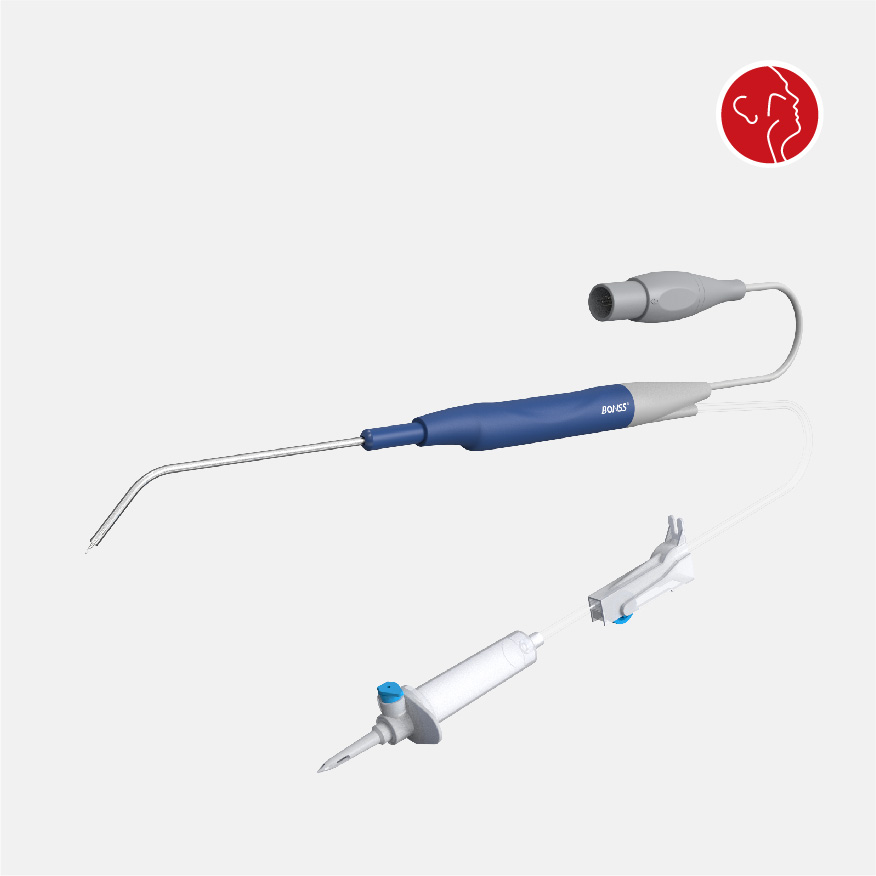
In conclusion, monitoring the EndoVenous RF Plasma Closure System during the procedure is a multi – faceted process that involves pre – procedure assessment, intra – procedure real – time monitoring of imaging, temperature, energy delivery, and patient status, as well as post – procedure follow – up. As a supplier, we understand the critical role that proper monitoring plays in the success of this treatment. We are committed to providing high – quality products and support to ensure that healthcare providers can perform the procedure safely and effectively.
Endoscopic Instruments If you are interested in learning more about our EndoVenous RF Plasma Closure System or are considering purchasing it for your medical practice, we invite you to initiate a business discussion. We are ready to answer any questions you may have and provide you with detailed information on the product features, benefits, and pricing. Contact us to start the procurement process and take a step towards offering innovative venous treatment solutions to your patients.
References
- Marvin J. Leveen, “Understanding Venous Insufficiency: A Comprehensive Guide”, Journal of Vascular Medicine, 2018.
- Sandra K. Williams, “Advances in Endovascular Treatment of Varicose Veins”, International Journal of Angiology, 2020.
Jiangsu Bonss Medical Technology Co., Ltd.
As one of the most professional endovenous rf plasma closure system manufacturers and suppliers in China, we’re featured by quality products and good price. Please rest assured to buy bulk endovenous rf plasma closure system for sale here from our factory. Customized orders are welcome.
Address: Building #7,No.898,China Medical City Avenue, Haling District, Taizhou City.Jiangsu P.R. China
E-mail: inquiry@plasma-surgical.com
WebSite: https://www.bonssmedical.com/
