A newly installed nanofiltration membrane system is a significant investment for many industries, from water treatment to food and beverage production. As a nanofiltration membrane supplier, I understand the importance of having clear acceptance standards to ensure that the system meets the high – performance requirements of our clients. Here, I will discuss the key standards for the acceptance of newly installed nanofiltration membrane systems. Nanofiltration Membrane
1. Physical Inspection
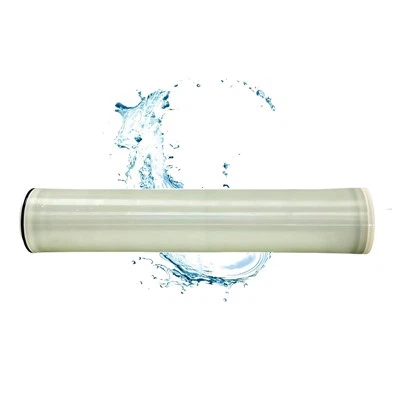
The first step in the acceptance process is a comprehensive physical inspection. This involves examining the overall layout and installation of the system. The membranes should be properly installed in their modules, with no signs of damage or improper positioning. Each module must be securely connected within the system, and all the seals should be intact to prevent any leaks.
The filtration housing and associated piping should also be inspected. The pipes should be of the correct size and material, free from cracks or any signs of corrosion. Pipe connections should be tightened appropriately to avoid pressure drops. Any valves, pumps, and other mechanical components within the system need to be in good working condition and installed according to the manufacturer’s specifications.
For example, in a large – scale water treatment plant, if the pipes are not of the appropriate size, it can lead to reduced flow rates and increased energy consumption. Similarly, a damaged membrane module can result in poor filtration efficiency and premature membrane failure.
2. Performance Testing
Performance testing is at the core of the acceptance process for a nanofiltration membrane system. Several key performance indicators are used to evaluate the system’s effectiveness.
2.1 Flux Rate
The flux rate measures the volume of water or other fluid that passes through the membrane per unit area and time. It is a crucial parameter as it indicates the system’s productivity. During testing, we run the system under specified operating conditions for a certain period and measure the amount of filtrate collected. The flux rate should be within the expected range defined by the membrane manufacturer. If the flux rate is too low, it could be due to membrane fouling during the installation process, improper pre – treatment of the feed water, or a problem with the operating pressure.
2.2 Rejection Rate
The rejection rate is another vital performance metric. Nanofiltration membranes are designed to reject certain contaminants, such as salts, organic compounds, and microbes. We analyze the composition of the feed water and the filtrate to calculate the rejection rate for specific substances. For instance, in a water desalination application, we measure the rejection rate of sodium chloride and other salts. A high – quality nanofiltration membrane system should achieve a rejection rate that meets or exceeds the client’s requirements. If the rejection rate is low, it may be necessary to check the membrane integrity, the operating pressure, or the compatibility of the membrane with the feed water composition.
2.3 Pressure Drop
Monitoring the pressure drop across the membrane system is essential. A significant pressure drop can indicate membrane fouling, clogged pipes, or improper pump operation. We measure the pressure at the inlet and outlet of the membrane module and calculate the pressure drop. If the pressure drop exceeds the recommended values, appropriate cleaning or maintenance procedures need to be carried out.
3. Chemical and Biological Analysis
Chemical and biological analysis of the filtrate is an important part of the acceptance process. The filtrate should meet the required water quality standards for the intended application.
3.1 Chemical Composition
We perform detailed chemical analysis of the filtrate to ensure that the concentration of various contaminants is within the acceptable limits. For example, in a food and beverage processing application, the filtrate should not contain high levels of heavy metals, pesticides, or other chemical pollutants. In a water treatment system for human consumption, parameters such as pH, hardness, and the concentration of disinfection by – products are carefully monitored.
3.2 Microbiological Quality
Microbiological analysis is crucial to ensure that the filtrate is free from harmful microorganisms. We test for the presence of bacteria, viruses, and fungi using appropriate culturing and molecular techniques. In a water treatment plant, the filtrate should meet the standards set by regulatory authorities for safe drinking water. If any microbial contamination is detected, the system may need to be disinfected or the pre – treatment process may need to be adjusted.
4. System Automation and Control
In modern nanofiltration membrane systems, automation and control play a vital role in ensuring efficient and reliable operation.
4.1 Control System Functionality
We test the functionality of the control system to ensure that it can accurately monitor and adjust the operating parameters of the system. This includes controlling the flow rate, pressure, and temperature. The control system should be able to respond to changes in the feed water quality and adjust the operating conditions accordingly. For example, if the feed water temperature increases, the control system should adjust the pressure or flow rate to maintain optimal membrane performance.
4.2 Alarm and Monitoring Systems
The system should be equipped with reliable alarm and monitoring systems. These systems should be able to detect abnormal operating conditions, such as high pressure, low flux, or excessive chemical concentrations. When an abnormal condition is detected, the alarm system should alert the operators, and the monitoring system should record the data for further analysis.
5. Documentation and Training
Proper documentation is an often – overlooked but critical part of the acceptance process.
5.1 Installation and Operation Manuals
The supplier should provide detailed installation and operation manuals for the nanofiltration membrane system. These manuals should include information on the system’s components, installation procedures, operating parameters, and maintenance requirements. The manuals should be written in a clear and concise manner, with diagrams and illustrations to facilitate understanding.
5.2 Training

We also offer training to the client’s operators to ensure that they can operate and maintain the system effectively. The training should cover topics such as system start – up and shut – down procedures, membrane cleaning and replacement, and troubleshooting techniques. Well – trained operators are more likely to operate the system efficiently and avoid costly mistakes.
STRO As a nanofiltration membrane supplier, we are committed to providing high – quality products and ensuring that our clients’ newly installed systems meet the strictest acceptance standards. If you are looking to invest in a nanofiltration membrane system or need to upgrade your existing one, I invite you to contact us. Our team of experts is ready to assist you in selecting the right membrane system for your specific application and ensuring that it meets all the necessary acceptance criteria.
References
- Cheryan, M. (1998). Ultrafiltration and Microfiltration Handbook. Technomic Publishing Company.
- Mulder, M. (1996). Basic Principles of Membrane Technology. Kluwer Academic Publishers.
- Baker, R. W. (2012). Membrane Technology and Applications. John Wiley & Sons.
Hangzhou Nanoimp Environmental Technology Co., Ltd.
With abundant experience, we are one of the most professional nanofiltration membrane manufacturers and suppliers in China. Welcome to wholesale high quality nanofiltration membrane in stock here and get pricelist from our factory. We also accept customized orders.
Address: Road 25, Baiyang Street, Qiantang District, Hangzhou City, Zhejiang Province
E-mail: keith.wang@nano-sepmer.com
WebSite: https://www.nanoimp-membrane.com/
