In the field of materials research, industrial manufacturing, and scientific experimentation, muffle furnaces are indispensable high – temperature equipment. As a trusted muffle furnace supplier, I’ve witnessed firsthand the significance of understanding various factors that impact furnace performance. One such critical factor is response time and its effect on temperature control. In this blog post, I will delve into how the response time influences the temperature control of a muffle furnace, offering insights that can enhance your experimental and manufacturing processes. Muffle Furnace

Understanding Muffle Furnaces and Temperature Control
Before discussing how response time affects temperature control, it’s essential to understand the basic principles of muffle furnaces and how temperature is regulated. A muffle furnace is a type of oven used for high – temperature applications, such as firing ceramics, annealing metals, and performing ashing tests in laboratories. The temperature control system in a muffle furnace typically consists of a temperature sensor (such as a thermocouple), a controller, and a heating element.
The temperature sensor continuously monitors the internal temperature of the furnace. The controller compares the measured temperature with the set – point temperature. If there’s a difference, the controller sends a signal to the heating element to adjust the power output, either increasing or decreasing the heat to reach and maintain the desired temperature.
The Concept of Response Time
Response time in a muffle furnace refers to the time it takes for the furnace to reach a set – point temperature after a command is issued or to respond to a change in the set – point. It can be divided into two main types: the initial heating response time and the dynamic response time.
The initial heating response time is the time required for the furnace to heat from room temperature to the set – point temperature. This is crucial when starting a new experiment or production run. A shorter initial heating response time means less waiting, which can significantly improve productivity, especially in high – throughput environments.
The dynamic response time, on the other hand, is the time it takes for the furnace to adjust to a change in the set – point temperature during the operation. For example, if you need to increase the temperature from 500°C to 700°C during a heat – treatment process, the dynamic response time determines how quickly the furnace can reach the new temperature.
Impact of Response Time on Temperature Accuracy
One of the most direct effects of response time on temperature control is its impact on temperature accuracy. In an ideal scenario, the furnace would reach the set – point temperature instantaneously and maintain it precisely. However, in reality, a long response time can lead to significant temperature overshoot or undershoot.
When the response time is long, and the furnace is trying to reach a higher set – point, the heating element may continue to supply heat even after the temperature has reached the set – point because of the delay in the control system’s response. This results in an overshoot, where the actual temperature exceeds the desired temperature. Conversely, when reducing the temperature, a long response time may cause the furnace to cool too slowly, leading to an undershoot.
Temperature overshoots and undershoots can have detrimental effects on the quality of the samples being processed. For example, in the heat – treatment of metals, an overshoot can cause grain growth and change the material’s mechanical properties, while an undershoot may result in incomplete heat treatment.
Influence on Process Consistency
Process consistency is another area where response time plays a crucial role. In many industrial and research applications, it’s essential to repeat the same process conditions multiple times to ensure reproducible results. A muffle furnace with a consistent response time is more likely to provide consistent temperature profiles during each run.
If the response time varies from one run to another, it can lead to differences in the temperature history of the samples. For instance, in the firing of ceramic materials, inconsistent temperature profiles can cause variations in the density, porosity, and strength of the final products. By having a muffle furnace with a short and stable response time, manufacturers can achieve better process consistency and improve the overall quality of their products.
Energy Efficiency Considerations
Response time also has implications for energy efficiency. A furnace with a long response time may consume more energy during the heating process. This is because the longer it takes to reach the set – point temperature, the more time the heating element is operating at a high power level.
Moreover, in cases of significant temperature overshoots caused by long response times, extra energy is wasted in bringing the temperature back down to the set – point. On the other hand, a muffle furnace with a short response time can reach the desired temperature more quickly and with less energy consumption. This not only reduces operating costs but also aligns with the growing demand for environmentally friendly manufacturing processes.
Factors Affecting Response Time
Several factors can influence the response time of a muffle furnace. The first is the power of the heating element. A more powerful heating element can supply more heat in a shorter period, resulting in a shorter initial heating response time. However, it’s important to balance power with control to avoid excessive temperature overshoots.
The design of the furnace chamber also plays a role. A well – insulated chamber can retain heat better, reducing heat loss and allowing the furnace to reach the set – point temperature more efficiently. Additionally, the type and quality of the temperature sensor and controller can significantly affect the dynamic response time. High – quality sensors can provide more accurate and timely temperature readings, while advanced controllers can execute precise control algorithms to adjust the heating element’s power output.
How We Address Response Time as a Supplier
As a muffle furnace supplier, we understand the importance of response time in temperature control. We take several measures to ensure that our muffle furnaces offer optimal response times.
Firstly, we carefully select high – power heating elements that are capable of rapid heating. These elements are designed to provide a sufficient amount of heat to quickly reach the set – point temperature, while also being adjustable to prevent overshoots.
Secondly, we use state – of – the – art insulation materials in our furnace chambers. These materials have excellent thermal resistance properties, minimizing heat loss and allowing the furnace to maintain a stable temperature with less energy input. This not only improves the response time but also enhances energy efficiency.
We also invest in advanced temperature sensors and controllers. Our sensors are highly accurate and have a fast response rate, enabling them to detect temperature changes quickly. The controllers are programmed with sophisticated control algorithms that can precisely adjust the power output of the heating element based on the temperature readings, reducing the dynamic response time and minimizing temperature overshoots and undershoots.
Conclusion
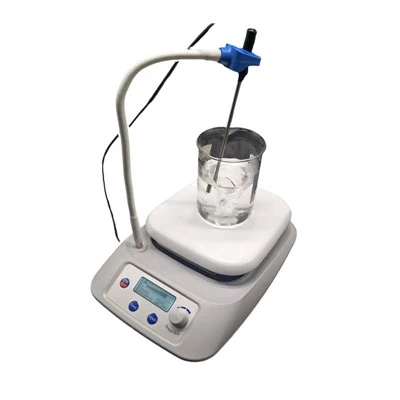
In summary, the response time of a muffle furnace has a profound impact on its temperature control. It affects temperature accuracy, process consistency, and energy efficiency, all of which are critical factors in various industrial and research applications. As a muffle furnace supplier, we are committed to providing high – quality furnaces with short and consistent response times.
Refractometer If you are in the market for a muffle furnace or need to upgrade your existing equipment, consider the importance of response time in temperature control. Our team of experts is ready to assist you in selecting the right furnace for your specific needs. Contact us today to start a discussion about your requirements and find out how our muffle furnaces can enhance your processes.
References
- ASTM International. (20XX). Standard test methods for high – temperature furnaces. ASTM Publication.
- Smith, J. (20XX). Principles of temperature control in industrial furnaces. Journal of Industrial Heating, XX(XX), XX – XX.
- Johnson, A. (20XX). Energy efficiency in muffle furnaces. Proceedings of the International Conference on Energy – Efficient Manufacturing.
Hangzhou Qiwei Instrument Co., Ltd.
Hangzhou Qiwei Instrument Co., Ltd. is one of the most reliable manufacturers and suppliers of muffle furnace in China, featured by quality products and good service. Please rest assured to buy bulk durable muffle furnace in stock here from our factory. We also accept customized orders.
Address: Room 101, Building 25, No. 488-1, Donghu North Road, Linping District, Hangzhou City, Zhejiang Province, China
E-mail: info@qiweilab.com
WebSite: https://www.qiweilab.com/
