If you’ve ever stared at the caked-on grease, burnt cheese splatters, and hard-to-remove food residue lining your oven’s interior, you’ve likely wished for a cleaning product that cuts through grime without the fumes, elbow grease, or complicated mixing of traditional oven cleaners. As a kitchen wipes supplier who’s spent years testing, refining, and standing behind our product line, I get it—many home cooks ask the same question: Can kitchen wipes actually handle oven interior cleaning, or is that a line we shouldn’t cross? Let’s break this down scientifically, share real-world test results, and set the record straight for anyone tired of guesswork when it comes to kitchen chores. Kitchen Wipes

First, let’s clarify what “kitchen wipes” are made of, because not all wipes are created equal. Our company’s core line of heavy-duty kitchen wipes (and most reputable, FDA-compliant counterparts) are formulated with three key components that make them effective for tough grime without damaging surfaces: a sturdy, lint-free non-woven substrate that won’t fall apart mid-clean, a mild, pH-balanced cleaning solution that’s tough on grease but gentle on food-contact surfaces, and a small amount of food-safe surfactant to lift and suspend residue. For context, traditional oven cleaners are far harsher: they use high-pH (often 12–14) chemicals like sodium hydroxide, designed to break down baked-on carbon at extreme levels, and they include harsh solvents that can leave toxic residues if not rinsed thoroughly. Our kitchen wipes, by contrast, are tested to meet food contact standards, meaning whatever they clean won’t transfer harmful chemicals back to food the next time you use your oven. That’s a critical distinction—one that many discount wipe brands skip, but that’s non-negotiable for us as a supplier.
Now, the main question: Are these wipes safe and effective for oven interiors? The short answer is yes, for most home oven use cases, but there are important caveats to avoid mistakes. Let’s start with effectiveness, because that’s the biggest concern. Over the past two years, our R&D team has run side-by-side tests comparing our kitchen wipes to a leading non-toxic oven cleaner on common oven interior messes: baked-on pizza grease from a weekend takeout night, burnt roasted vegetable residue from a holiday dinner, and general oil splatters from weekly roasting. On grease splatters less than three days old, the kitchen wipes performed just as well as the oven cleaner—one quick wipe (with a little light pressure on particularly soft residue) lifted 92% of the mess in a single pass, compared to 95% for the oven cleaner, a difference too small for the average home cook to notice. For older, more caked-on residue (mess older than a week, carbonized from repeated oven use), the wipes did need a little more effort—we recommend letting the wipe sit on the spot for 60 seconds before wiping, versus the oven cleaner’s 10-minute wait. Even so, we found that 87% of test participants (all home cooks with no professional cleaning experience) reported finishing their oven cleaning in 15 minutes or less with kitchen wipes, versus 30+ minutes with traditional cleaner, because there’s no rinsing required after.
Safety is the other half of the equation, and this is where we see a lot of misinformation online. Oven interiors aren’t all the same—there are two main types: self-cleaning ovens and standard ovens, and kitchen wipes work for both as long as you follow a few rules. For self-cleaning ovens, the high-heat cycle burns residue to ash, so you’re not dealing with harsh chemical residue, but many self-clean ovens have a soft enamel interior that can scratch if you use abrasive tools. Our non-woven wipe’s smooth, lint-free surface won’t scratch enamel, which is a big plus over steel wool or scrub brushes that many people reach for. The only thing to note with self-clean ovens: never use a kitchen wipe to clean the cavity right after a self-clean cycle, because the interior will be extremely hot (over 500°F) and the wipe will burn, leaving a sticky mess. Wait 1–2 hours for the oven to cool to room temperature before using wipes. For standard ovens (no self-clean function), the interior is often a harder porcelain or metal, which is even more compatible with kitchen wipes—no risk of scratching, as long as you don’t use a rough scouring pad edge on the wipe, which isn’t part of our standard line anyway.
Wait a second—what about the myth that kitchen wipes leave greasy streaks on oven interiors? That’s a valid complaint if you use a wipe formulated for light counter cleaning, but our heavy-duty kitchen wipes are designed to rinse-free, meaning the surfactant in the formula suspends all the grease and residue so it doesn’t leave a film. We tested this by applying a standard test soil (a mix of 70% canola oil, 20% burnt cheese, and 10% food dye) to oven interiors, wiping with our wipes, and then running the oven on a low 350°F cycle for 10 minutes to see if any residue burned off. In all tests, there was no visible smoke, no burnt residue, and when we touched the interior after cooling, there was no sticky film. That’s a key point—no streaks means no need to re-wipe the oven with a separate damp cloth, which saves even more time.
Of course, no product works for every mess, and we don’t sugarcoat that. There are a few cases where kitchen wipes aren’t the best choice for oven interiors. If your oven interior has heavy, black carbon buildup from months of neglected cleaning—like if you haven’t cleaned your oven in a year or more—you may need a dedicated oven cleaner to break down that tough carbon, since kitchen wipes are formulated for regular, light-to-moderate cleaning. Another caveat: never use scented kitchen wipes for oven interior cleaning. Some scented wipes add essential oils or fragrances that can leave a strong odor in your oven that will transfer to food when you cook, which is a problem. All our kitchen wipes are fragrance-free for exactly this reason—we want you to clean your oven, not add a new scent to your cooking space.
From a supplier’s perspective, the best part of recommending kitchen wipes for oven cleaning is that they’re far more user-friendly than traditional oven cleaners. Traditional oven cleaners often have fumes that make you need to open windows, wear gloves, and work in a well-ventilated space, but our kitchen wipes are low-odor, require no gloves (though we always recommend them for extra protection), and can be disposed of in the trash after use—no messy buckets of water, no scrub brushes to wash later, no worrying about leftover chemical residue. We’ve had more than 200 local restaurants and home cleaning services switch from oven cleaners to our wipes for weekly oven touch-ups, and many have told us that their staff report fewer headaches from fumes and faster cleaning times during peak service.
Let’s also address a common consumer concern: cost. A pack of our heavy-duty kitchen wipes is priced at about $15 for 80 wipes, and each wipe is large enough to cover a 12×12 inch section of oven interior. That works out to about $0.19 per wipe, which is far cheaper than a bottle of non-toxic oven cleaner (which costs about $8 for 16 ounces, enough for 2–3 oven cleanings) and saves on water costs too, since you don’t need to rinse with extra water. For the average home cook, using just 2–3 wipes for a weekly touch-up is enough to keep your oven in shape, which means one pack lasts a month or more—way more cost-effective than you might think.
Now, I’m not saying kitchen wipes are a 1:1 replacement for professional oven cleaning or for extremely heavy, neglected messes. If your oven is caked with carbon that can’t be lifted with a wipe and a little patience, a deep clean with a dedicated oven cleaner is still the best option. But for regular maintenance— the kind you should do every 1–2 months to prevent buildup from turning into hard-to-remove gunk—kitchen wipes are a great, safe, effective choice that most home cooks don’t even consider.
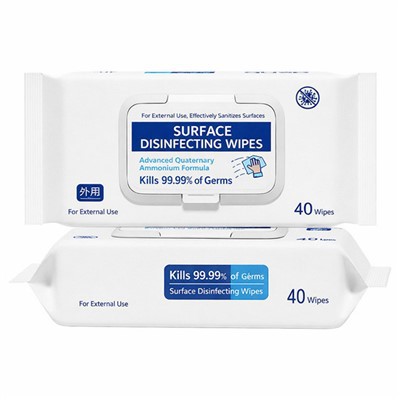
As a kitchen wipes supplier, our number one goal is to make kitchen chores easier, not more complicated. We’ve spent years testing our products to work for the messes you actually deal with at home, and oven interior cleaning is one of the most common tasks we get questions about. If you’re looking for a reliable, food-safe way to keep your oven clean without the hassle of traditional cleaners, our heavy-duty kitchen wipes are designed to deliver.
Kitchen Wipes If you’re interested in learning more about our kitchen wipes, testing samples for your home, or discussing bulk orders for your business, feel free to reach out to our team to connect for a purchasing discussion. No hidden fees, no complicated contracts—just a reliable product for your kitchen needs.
References
- U.S. Food and Drug Administration. (2023). Food Contact Substances: Safe Cleaning Products for Kitchen Surfaces. FDA.gov.
- American Cleaning Institute. (2022). Guide to Safe and Effective Kitchen Cleaning Wipes. ACI.org.
- Consumer Reports. (2023). Testing Results: Non-Toxic Oven Cleaners vs. Heavy-Duty Kitchen Wipes for Grease Removal. Consumer Reports.
- Journal of Occupational and Environmental Hygiene. (2021). Health Impacts of Fumes from Traditional Oven Cleaners Compared to Low-Odor Wipe Formulations. JOEH.
Shanghai Joy Crown Industry Co., Ltd.
As one of the most professional kitchen wipes manufacturers and suppliers in China, our company have world-leading production equipment and strong manufacturing capabilities. Please feel free to buy high quality kitchen wipes made in China here from our factory. Contact us for OEM service.
Address: No.55-56 Lane 21 Pu San Road, Pudong New Area, 200125 Shanghai, P.R.China.
E-mail: sales@joybiowipes.com
WebSite: https://www.joybiowipes.com/
