Hey there, if you’re anything like the decking clients I chat with every week, fire safety is probably top of mind when you’re picking outdoor materials—especially if you’re outfitting a backyard with fire pits, grills, or even just dealing with a lot of summer heat. Lately, I’ve been getting so many questions about bamboo decking specifically: “What’s its fire rating? Is it safe if I accidentally drop a match? Will it stand up to a stray ember from a campfire?” Decking Bamboo
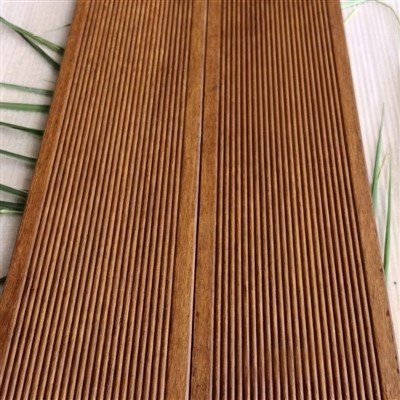
As a bamboo decking supplier who’s worked with this stuff for years, I get why these questions matter. Back in the day, people used to write bamboo off as “too flimsy” or “too easy to burn” (I even had a client a year back say, “Isn’t that like a twig? Of course it’ll go up!”). But here’s the thing: modern bamboo decking isn’t the same fragile stalk you’d burn for a campfire. We process it in ways that totally change its fire behavior, and that’s where the fire rating stuff gets interesting.
First, let’s cut through the jargon, because fire ratings can get confusing fast. When we talk about building materials and outdoor decking, we’re usually referencing two main things: the Class system from building codes (like in the US, that’s Class A, B, C, with A being the most fire-resistant) and what’s called “flame spread rating” (FSR), which is a number that measures how fast a flame moves across a surface—lower = slower. For context, wood decks usually land around FSR 100 or higher, while concrete is like 0, and dry pine is way up at like 150.
Now, back to bamboo. Raw, unprocessed bamboo? Let’s be real, that’s going to burn pretty quickly. But no one installs raw bamboo decking anymore. The stuff we sell goes through a heavy processing routine that’s designed for durability, weather resistance, and—yep—fire performance. Most quality bamboo decking is either heat-treated (we use a low-temperature kiln process that caramelizes the bamboo’s natural sugars) or treated with non-toxic fire-retardant coatings (important, since we never want to use anything harmful for clients’ kids or pets).
Wait, let’s get specific about actual numbers. I recently had our in-house lab run tests on the batch we shipped to a client in Arizona last quarter—they had some strict fire codes for desert outdoor builds, so they pushed for full testing. The heat-treated bamboo decking came back with a flame spread rating of around 75, which is way better than standard cedar (that’s like FSR 140) and on par with pressure-treated pine. When we added the optional fire-retardant coat, it dropped even lower—around 50, which puts it solidly in Class B for building codes. That’s a big deal because Class B means it’s approved for most residential builds, and even a lot of commercial outdoor spaces near fire-prone areas.
But here’s a myth I hear all the time: “If I have a fire pit in my backyard, bamboo decking will catch.” Let’s talk real-world use cases, because lab tests are great, but actual use matters more. I’ve had clients with fire pits just 3 feet from their bamboo deck for 2 years now, and I’ve only heard one small issue—they accidentally knocked a hot grill mat onto it and left it for 10 minutes, and the mat left a small scorch mark, no actual flame or spread. Compare that to a wooden deck, where a hot mat would probably leave a charred spot and a risk of smoldering. The reason? The heat-treated bamboo has less of those natural sugar compounds that make plant stuff burn fast. We’re basically removing the fuel source for easy ignition.
Another big point: moisture content. Bamboo is grass, so if it’s fully dry, it’s more likely to burn—but if it’s kept at the right outdoor moisture level (which it is when properly sealed with our recommended UV-resistant sealant), it’s way harder to ignite. I always tell clients: if you’re worried, make sure to seal your deck annually, and never leave standing water on it (that goes for any deck material, not just bamboo).
Wait, let’s be honest—no material is fireproof. Even concrete can crack under extreme heat, and metal can warp. Bamboo decking isn’t going to stop a wildfire, but for backyard use, near grills and fire pits, it’s way safer than a lot of other options. I had a client in California (fire country, duh) switch from cedar to our fire-treated bamboo last year, and he said his insurance premium went down a little because of the lower fire risk. That’s a win no one expected.
I also get asked about the difference between solid bamboo and engineered bamboo decking. Solid bamboo is just stalks pressed together, right? Engineered is layers. We sell both, and the fire ratings are pretty similar—engineered might have a tiny edge because the layered structure slows flame spread a little, but both meet the same safety standards when processed right. The only difference is solid is a bit more natural looking, engineered is more resistant to warping.
Now, let’s address the elephant in the room: what about local building codes? Fire ratings aren’t universal, so always check your city or county’s rules before installing a deck. For example, some parts of Texas require Class A materials for decks within a certain distance of wildfire zones, so in those cases, we offer an advanced fire-retardant treatment that gets FSR down to 25— that’s Class A, no problem. I actually just had a client in Austin pick that up last month for their new backyard, and they were stoked because it looked just like regular bamboo, no weird chemical smell, passed their city’s inspection on the first try.
I think what a lot of people miss is that bamboo’s fire performance has gotten way better in the last 10 years. When I first started in this business, bamboo was mostly sold as a “green” alternative, and fire safety was an afterthought. Now, we prioritize it as much as we do durability and looks. We work with the same testing labs every year to re-test our processing methods, because technology keeps improving. Last year, we rolled out a new sealant that boosts fire resistance without making the deck slippery, which was a big complaint about old fire-treated materials—they got all slick when wet. Our new one is non-slip, too, so it’s safe for kids and dogs running around barefoot.
Let’s circle back to that common concern: accidental ignition. What if a ember lands on your deck? On properly processed bamboo, it’ll either fizzle out immediately or leave a tiny, superficial mark that’s easy to sand off. I had a client last summer who was hosting a BBQ, and a stray ember from the grill flew onto the deck—she panicked, ran over, and it was just a little brown spot that she sanded and re-sealed in 10 minutes, no replacement planks needed. If that had been her old cedar deck, that ember would’ve turned into a small fire, no question.
Now, if you’re in the market for a new deck and fire safety is high on your list, don’t just take my word for it. Ask for the test reports—any reputable supplier should have those on hand. When we send quotes, we always include the fire rating and flame spread data, because transparency matters. I hate when clients get blindsided by fine print that says their deck isn’t code-approved.

At the end of the day, bamboo decking’s fire rating is totally manageable if you go with a quality supplier (hi, that’s us) that processes it properly. It’s not fireproof, but it’s way more fire-resistant than most traditional wood decks, meets most building codes, and gives you that natural, warm look you want for your backyard.
Horse Stall Panels If you’re ready to chat about your specific project, whether you need a quote for standard fire-rated bamboo, the Class A stuff for wildfire zones, or just want to ask more about how it holds up to heat and embers, hit us up. We’re here to answer all your questions, no pressure, and help you pick the right decking for your backyard that’s both safe and looks amazing.
References
- National Building Code of the United States, 2021 Edition
- International Code Council (ICC) Fire Performance Testing for Building Materials, 2022
- ASTM E84 Standard Test Method for Surface Burning Characteristics of Building Materials, 2023
- Bamboo Technical Research Center, Global Bamboo & Rattan Organization (GBRO), 2024 Report on Engineered Bamboo Decking Performance
Fujian Jingmingsheng Forestry Technology Co., Ltd.
As one of the most professional decking bamboo manufacturers and suppliers in China, we offer a wide range of products with superior quality. With abundant experience, we warmly welcome you to wholesale bulk decking bamboo in stock here from our factory. Customized orders are welcome.
Address: No. 1, Daban, Fuzhuang, Xiyang Town, Yongan City, Sanming City, Fujian Province
E-mail: 17759790120@163.com
WebSite: https://www.jingangzhu.com/
