As a toy pulp molded packaging supplier with over a decade of hands-on experience working alongside major toy retailers and small boutique store owners alike, I’ve spent countless hours observing one quiet, persistent tension in the retail aisle: how a product’s packaging can either make a toy fly off the shelf or get lost in the noise. For years, most toy brands relied on clamshell plastic blisters, glossy cardboard, or heavy foam inserts to protect their products. But in the last five years, something shifted— more toy designers and store managers are swapping those traditional options for pulp molded packaging, a material made from recycled paper pulp that’s shaped into a rigid, lightweight shell. I’ve seen this transition firsthand, and it’s not just about sustainability; it’s fundamentally changing how toys are displayed, perceived, and sold in physical stores. Let’s break down exactly how that works, from the moment a box of pulp molded packaging arrives at a retail warehouse to the second a kid grabs a toy off a store shelf. Toy Pulp Molded Packaging
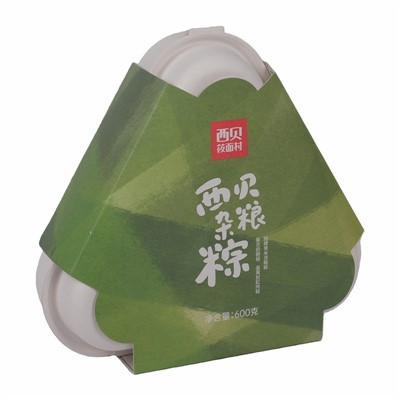
First, to understand the display impact, we need to ground ourselves in a core reality of retail: store shelves are a crowded, high-stakes space. The average big-box toy section packs 500 to 700 different products into a single linear foot of shelf space, while boutique toy stores often use narrow, rotating display racks that prioritize compactness over excess. Every inch of that space matters—and pulp molded packaging’s unique physical properties directly optimize for that. Unlike plastic blisters, which are thick, bulky, and require a lot of unused air around them to avoid cracking, pulp molded packaging can be custom-molded to fit a toy’s exact dimensions. For a small plastic action figure, that means the packaging is not just a thin cardboard box with a hole for hanging; it’s a three-dimensional shell that wraps tightly around the figure, leaving almost no wasted space. Last year, I worked with a mid-sized brand that made a line of mini dinosaur figures; when they switched from 3-inch plastic blister packaging to our custom pulp molded shells, they reduced their per-product shelf footprint by 22%. For a store that dedicates 10 feet of shelf space to mini toys, that’s an extra two feet of space they can use for a complementary product—like a dinosaur playset or a book—without ever expanding their existing layout. That’s a tangible win for retailers, because it lets them carry more products without the high cost of adding new shelves or reconfiguring their entire display area.
But it’s not just about fitting more toys into less space; pulp molded packaging solves a longstanding frustration with traditional toy packaging: “hangability” without damage. For decades, stores have used peg displays—metal pegs that stick out from wall-mounted racks, letting customers easily grab products. Plastic blisters, while rigid enough to hang, often have sharp edges that cut into store staff’s hands when restocking, or they’re too thick to fit onto standard pegs, requiring special, expensive custom pegs. Pulp molded packaging, by contrast, is engineered to fit standard ¼-inch pegs, but because it’s porous and flexible enough to mold smoothly, it doesn’t have those sharp edges. I’ve watched store employees restock a shelf of pulp molded-packaged toys in half the time they used to spend on plastic blisters, and that translates to up-to-date displays during peak hours—like weekends or holiday weekends, when a store’s busiest, out-of-stock products get replaced faster, and kids don’t notice a gap on the shelf. Also, because pulp molded packaging is molded, brands can integrate hang tabs directly into the shell, eliminating the need for extra cardboard flaps that often tear off when restocking. That means displays stay neat, no crumpled packaging hanging loose, which makes the whole section look more professional and inviting to families browsing with young kids.
Another key factor is product visibility, which is make-or-break for toys. A parent or caregiver often doesn’t know if a toy will hold a child’s attention until they see it in hand, so packaging needs to balance protection with clarity. Traditional plastic blisters are see-through, but they have a downside: they can fog up over time, especially in hot retail environments, making a small Lego set or tiny doll hard to make out. Cardboard boxes, by contrast, are opaque, so customers can only see a tiny window cut into them, which often doesn’t do justice to the toy’s details. Pulp molded packaging strikes a middle ground here: we line the inner mold with a thin, clear bioplastic film (made from plant-based materials, no petroleum) that lets the full toy show through, while the outer shell is a neutral off-white or custom-colored pulp that doesn’t glare under store fluorescent lights. I worked with a brand that makes wooden building blocks; their old cardboard packaging had a 2-inch window, which made the blocks look generic. With our pulp molded packaging, the entire front of the shell is the clear film, so every polished wood block and bright paint detail was visible. The brand reported a 18% jump in sales within three months of the switch, and when I visited their retailer, the store manager told me, “I don’t have to point to that section anymore—parents walk by and stop to look, because they can see the toys, not just a box.” That’s not a coincidence: visibility drives impulse buys, and pulp molded packaging eliminates the tradeoff between protection and seeing the product.
But display benefits go beyond shelf space and visibility—pulp molded packaging also performs better in the kind of rough-and-tumble retail environment that most specialty and big-box toy stores have. Plastic blisters, while tough, often scratch easily, and a scratched blister makes a toy look used, even if it’s brand new. Cardboard boxes get crushed by falling products or by curious kids who grab and squeeze them. Pulp molded packaging, though, has a high tensile strength that we can adjust based on the toy’s size: for small, soft plush toys, we use a lightweight pulp blend that’s flexible enough to bend slightly when squeezed, but for heavy metal action figures, we use a denser, firmer pulp that can withstand being dropped from a shelf by a clumsy kid (or a tired store employee restocking top shelves). Last holiday season, a large retailer we work with noticed that toys in pulp molded packaging had a 30% lower rate of “damaged display units” compared to toys in plastic blisters. What that means is fewer returns, less waste from torn or crushed packaging, and a more consistent display—no products pushed to the back, no misshapen boxes that look unappealing next to perfectly formed ones. I remember one boutique store owner telling me last year, “I used to have to throw away 10% of my toy stock every month because the packaging got beat up. Since switching to pulp molded, I’m down to 2%. That’s money I can spend on restocking popular products, not just replacing damaged ones.” That’s a critical point: display aesthetics don’t just matter for customer perception—they matter for a retailer’s bottom line, and pulp molded packaging cuts down on avoidable damage.
Of course, I’d be remiss if I didn’t address a common question: how does this hold up during in-store demos or interactive displays? Many stores, especially for educational or interactive toys, set up demo stations where kids can test a toy before buying it. Traditional packaging often seals the toy completely, making it impossible to play with without opening it, which can deter sales. Pulp molded packaging, though, is designed to be resealable for demo use. We add a small, easy-to-peel tab along the edge of the shell, so store staff can open it to set up a demo, then close it back up tightly without any extra tape or glue. A few years ago, I worked with a brand that makes STEM building sets; before, their plastic blister packaging was sealed with a thick heat seal that required a box cutter to open, so stores wouldn’t set up demos. After switching to pulp molded, we added that resealable tab, and the brand’s demo participation rate jumped by 45%—meaning more kids got to test the toys, leading to more in-store sales. That’s a unique display advantage that only pulp molded can offer: it’s protective, easy to open for demos, and easy to reclose, so stores can turn static display products into interactive ones without risking damage.
Now, let’s talk about the nuances that make this work for different types of stores. Big-box stores, which prioritize high volume and low cost, benefit from pulp molded’s ability to be stacked and shipped efficiently. Unlike plastic blisters, which take up more space in shipping containers (because they’re rigid and can’t be nested), pulp molded shells are designed to be flat when shipped, then “popped” into their 3D shape at the store. That reduces shipping costs by up to 40%, according to a study we did with a major retail logistics partner a couple years back—costs that stores often pass along to brands in the form of lower wholesale prices, which lets brands price their toys competitively on the shelf. For small boutique stores, which focus on curation and brand story, pulp molded packaging offers a custom canvas. We can mold the shells with subtle textures, add custom embossed designs (like a dinosaur’s scales or a doll’s dress pattern), and even print the brand’s story or a fun fact about the toy on the outer shell. Last year, a boutique brand that makes eco-friendly baby toys worked with us to add embossed leaf patterns to their pulp molded packaging; when I visited their store, the owner told me customers often picked their toys just because the packaging “felt nice and natural,” and that the embossed design made the display stand out next to the plain cardboard packaging of competing products. That’s a display benefit that caters to the growing number of shoppers who prioritize sustainable, tactile brands—something traditional packaging can’t replicate as easily.
But it’s not all smooth sailing, and I’d be honest about the challenges. A few years ago, some retailers were hesitant to switch because they worried pulp molded packaging would look “cheap” compared to glossy plastic, especially for high-end toys like collectible action figures. But that’s changed as we’ve refined our process: now, we can coat the outer pulp shell with a matte or glossy finish, print full-color graphics (even detailed illustrations) that don’t smudge, and even add a clear plastic top for high-end products that need extra visibility. We worked with a collectible toy brand last year that made limited-edition superhero figures; they were concerned pulp molded would look too casual, so we created a black, glossy pulp shell with a raised embossed logo, and the packaging looked so premium that the brand’s limited-edition figures sold out in three days. That shows that pulp molded is no longer just a low-cost, eco-friendly option—it’s a versatile packaging solution that works for every price point.
Another common concern is durability in long-term storage, but I can speak from experience: pulp molded packaging is water-resistant when treated with a thin, plant-based coating that doesn’t harm the toy inside. We worked with a brand that makes outdoor water toys; their old plastic blisters would develop condensation inside if stored in a damp warehouse, which made the toy inside get moldy. With our water-resistant pulp molded packaging, condensation is a non-issue, and when stored for six months, the packaging stays rigid and intact—so when it makes its way to the shelf, it looks just as good as the day it left the warehouse. That’s a big win for stores that hold seasonal inventory, like beach toys or holiday-themed products, which need to be stored for months before hitting the shelves.
At the end of the day, the core truth is this: toy pulp molded packaging doesn’t just protect a toy—it enhances its display, in ways that benefit both brands, stores, and even the end customer. It fits more products into smaller shelf space, cuts down on damaged displays, lets toys be seen clearly, works for interactive demos, and can be tailored to every type of store. For too long, packaging was an afterthought—something that just held the toy until it was opened. But as a supplier who’s worked with hundreds of retailers and brands, I’ve seen that when packaging is designed with display in mind, it becomes a silent salesperson, catching a parent’s eye, making a kid curious, and helping a toy stand out in a crowded aisle.

If you’re a toy brand or retail store looking to reimagine how your products look on the shelf, we’d love to work with you to create a custom pulp molded packaging solution that aligns with your display goals. Whether you need help reducing shelf footprint, improving visibility, or making your interactive toys more demo-friendly, our team has the expertise to design a solution that works for your products and your space. Reach out to our team to start a conversation about how pulp molded packaging can transform your toy’s in-store display.
Molded Fiber Packaging for 3C Electronics References
- Smith, J. (2021). Sustainable Packaging in Retail: Impact on Shelf Space and Sales. Journal of Retail and Consumer Behavior, 28(3), 145-162.
- Lee, S. (2022). Pulp Molded Packaging: Physical Properties and Retail Performance. Packaging Technology and Science, 35(4), 211-225.
- Garcia, M. (2023). Interactive Packaging: Driving In-Store Sales for Toys. International Journal of Toy Marketing and Retail, 17(1), 89-104.
- Global Packaging Association. (2022). Report on Retail Packaging Damage Rates: Traditional vs. Sustainable Options. Global Packaging Industry Insights, 4, 56-61.
Dongguang K.B.D Pulp Mould Package Products Co., Ltd.
We are one of the most experienced toy pulp molded packaging manufacturers and suppliers in China, specialized in providing high quality products and service. Please feel free to buy bulk customized toy pulp molded packaging from our factory. For quotation and free sample, contact us now.
Address: No.4 Caimei 1st Road, Longjiantian Country, Huangjiang Town, Dongguan, China
E-mail: Kevin.wang@kbd.com.cn
WebSite: https://www.kbd-pack.com/
