If you’ve ever visited a construction site during a storm, seen a pre-mixed bag of mortar slide off a pallet and hit a concrete block, or heard a plant operator panic when a dryer belt suddenly jerked and shook the entire production line, you know how much is riding on a dry mortar production line’s ability to resist shock. As a supplier of these systems, I get asked this question all the time: “What is the shock resistance of a dry mortar production line, anyway?” It’s not a simple answer—shock resistance isn’t just a number on a spec sheet. It’s the whole reason a production line runs without breaking down, keeping your project on schedule, and your costs in check. Let me walk you through what we actually mean when we talk about this, how it’s tested, what factors make or break it, and why it’s one of the most important specs you should care about when buying your next line. Dry Mortar Production Lines

First, let’s get clear on what “shock” means in the context of a dry mortar production line. This isn’t the same as the jolt you get from dropping a coffee mug. A manufacturing line takes shock from a bunch of specific, real-world events that happen nonstop, day in and day out. There’s the sudden load surge when a batch of raw sand floods into the mixer faster than the conveyor can handle it—one minute you’re running 50 tons an hour, the next you’re hit with a 100-ton surge that yanks the conveyor frame. There’s mechanical shock from parts slamming together: when the production line’s pneumatic valves open and close quickly to switch between mortar types (like going from tile adhesive to self-leveling underlayment, two completely different mixes), that sudden pressure change sends a shockwave through the piping and mixers. Then there’s external shock, like a forklift bumping a control panel, a pallet of bags crashing into a storage silo, or even the occasional seismic shift if your plant is in an area with small earthquakes. Even normal wear and tear creates repetitive shock—every time a ball mill spins and grinds clinker, each ball hits the lining a little harder than the last, adding up over years.
Shock resistance, then, is the line’s ability to absorb, deflect, and recover from these sudden, unpredictable loads without failing. A line with poor shock resistance won’t last two years. It’ll have cracked welds on the conveyor frames, broken gearboxes on the mixers, misaligned screws that cause inconsistent mix quality, and unplanned downtime that costs you thousands every hour. I’ve seen plants save $100,000 a year just because their line had proper shock resistance, and others go out of business because they skipped that spec to save a few bucks upfront.
Now, how do we actually measure shock resistance? It’s not just guessing—there are standardized tests, but most of the time, we also do real-world testing because lab numbers don’t always translate to a plant floor. The most common test for industrial equipment is the shock response spectrum (SRS) test, which measures how a structure reacts to a specific shock event. For a dry mortar line, we simulate the most common shocks it will face: a 1.5-meter drop of a 50-kilogram bag of raw material onto the silo roof, a 2x surge in conveyor load for 2 seconds, a 10G jolt (that’s about 10 times the force of gravity) from a valve slamming, and a 6-month cycle of repetitive shocks to simulate years of use.
When we run these tests, we look for three key outcomes: does the equipment maintain its alignment? Does it keep running at 95%+ capacity immediately after the shock? And does it show no permanent damage after 1,000 shock cycles? For example, a silo that fails a drop test will develop a 2-centimeter crack on the wall within 10 cycles, which will leak mortar and eventually cause the silo to collapse. A mixer that fails a valve shock test will have its drive shaft misaligned, leading to uneven mixing and batches that are too weak to pass construction code.
But here’s the thing: standardized tests are a baseline, not the end-all-be-all. Every plant is different, so we tailor shock resistance to each customer’s needs. A plant that only produces tile adhesive in a climate-controlled facility in Iowa doesn’t need the same shock resistance as a plant in a coastal region of Turkey that’s also handling heavy construction mortar and is within 100 kilometers of a minor fault line. That Turkish plant needs to pass seismic shock tests that most Iowa plants don’t.
Now, what factors determine how good a line’s shock resistance is? Let’s break this down by part, because shock resistance is in the details, not just the big frame.
First, the structural design. This is the foundation. The best lines don’t just bolt parts together—they integrate them as a single, rigid structure. We use heavy-gauge steel for all main frames, not thin steel that bends under load. Welding is a big one, too. We use full-penetration welding on all load-bearing joints, not just spot welds that break under shock. For example, a conveyor frame that has spot welds along the beam will crack when a sudden load hits, but a frame with full-penetration welds across the entire joint will flex slightly, absorb the shock, and keep running. We also add bracing to high-stress areas: near silo discharge points, mixer bases, and conveyor pulleys. That bracing acts like a shock absorber, redirecting sudden force away from the more sensitive parts.
Next, the components themselves. Even a great frame is useless if the parts inside don’t handle shock. The mixers, for example, are the heart of the production line, and they take the most shock. We use heavy-duty planetary mixers instead of drum mixers, because planetary mixers have sealed gearboxes that are mounted on shock-absorbing bases, while drum mixers have open gears that take every direct hit. The screw conveyors that move dry mortar from the mixer to the storage silos also need shock-resistant components. We use low-tension chain drives instead of high-tension belt drives, because belts slip when hit with sudden load, while chains have tensile strength that can handle shock. The pneumatic valves I mentioned earlier? We use slow-closing valves for main supply lines, and fast-closing only for small, precise lines. That cuts the shockwave from valve operation by 40% right there.
Then there’s the control system. A lot of people overlook this, but a smart control system can actually reduce shock events before they happen. Our production lines have load sensors on every conveyor and mixer. If the load surges above 120% of the set point, the control system automatically slows the feed rate, diverts excess material, and sounds an alarm—all in less than a second. That prevents the sudden surge that would otherwise cause a shock. I’ve had customers tell us they went from 3 unplanned shock-related breakdowns a month to zero after installing our control system. It’s like having a safety net that catches the shock before it even hits the line.
Wait, but what about wear and tear? I mentioned earlier that repetitive shock adds up over time, right? That’s called fatigue shock, and it’s the silent killer of production lines. A line that passes a one-time shock test might fail after two years of daily use if it’s not built to handle fatigue. We test for fatigue by running 100,000 shock cycles at 110% of maximum load. That simulates about 5 years of daily operation. The lines that pass this test don’t develop micro-cracks in the welds, don’t have misaligned shafts, and don’t have parts that wear out prematurely. Lines that fail? They’ll start having small cracks within a year, which turn into big cracks, leading to downtime.
Let me give you a real example to make this concrete. Last year, we installed a 10-ton per hour dry mortar line for a construction company in Texas that was working on a major highway project. They originally quoted a cheaper line from another supplier, but when they asked about shock resistance, the other supplier’s spec sheet only listed a 5G shock rating, with no fatigue testing. We quoted a line with a 12G shock rating, full fatigue testing, bracing on all load points, and our smart control system. They pushed back on the price at first, but we explained that their highway project required 24/7 operation, and any downtime would cost them $15,000 a day in delays and penalties. Six months later, they called us to say their line had been running 20 hours a day, 6 days a week, with zero shock-related breakdowns. The other supplier’s line, which they ended up purchasing a backup for, had broken down three times in those six months, costing them over $50,000 in downtime. They ended up scrapping the backup line and using our line exclusively.
That’s the value of proper shock resistance. It’s not just a spec—it’s a way to protect your investment. I’ve seen too many buyers focus only on initial cost, ignoring shock resistance, and end up paying way more in the long run.
Now, what about common myths about shock resistance? Let’s bust a couple. First myth: “Thicker steel means better shock resistance.” Not necessarily. If you add thickness without adding proper bracing or welded joints, you’re just making a heavier frame that’s more expensive, not more shock-resistant. Second myth: “Shock resistance is only important for big, heavy lines.” No, even small 1-ton per hour lines have to handle shocks from raw material delivery, valve operation, and bag handling. A small line with poor shock resistance will have more breakdowns than a big line built properly. Third myth: “Shock resistance is something you test once, when the line is new.” No, it’s something you maintain. We provide annual shock inspections for all our lines, checking for weld cracks, misalignment, and component wear, so you can address small issues before they turn into big failures.
So, when you’re evaluating a dry mortar production line, what should you ask the supplier? Don’t just take their word for it when they say it’s “shock-resistant.” Ask for the test results: what’s the maximum shock load it can handle, how was it tested, does it have fatigue test data? Ask if the design includes bracing on high-stress areas, what type of mixers and conveyors they use, and if their control system has load monitoring to prevent surge shocks. And ask about their after-sales support—can they do annual shock inspections to keep your line running?
At the end of the day, a dry mortar production line is a big investment—we’re talking hundreds of thousands of dollars, if not more. The last thing you want is for that investment to get sidelined by a preventable shock-related breakdown. Shock resistance isn’t just a technical term for engineers. It’s about keeping your project on schedule, staying on budget, and not losing money to downtime.
If you’re in the market for a dry mortar production line and want to make sure it’s built to handle the real-world shocks of your operation, we’re here to help. We don’t just sell equipment—we design lines tailored to your specific needs, with shock resistance tested to match your plant’s conditions, whether that’s handling heavy construction mortar, working in a seismic zone, or running 24/7 for large projects. We can walk you through our test data, show you examples of lines we’ve installed, and help you find a solution that fits your budget and your needs.
When you’re choosing a dry mortar production line, don’t sleep on shock resistance. It’s the difference between a line that runs for 10 years with minimal downtime and one that’s constantly breaking down. Ask the right questions, look for real test data, and partner with a supplier who understands how shock works on a plant floor. We’re here to make sure your line is built to last, no matter what shocks come its way.
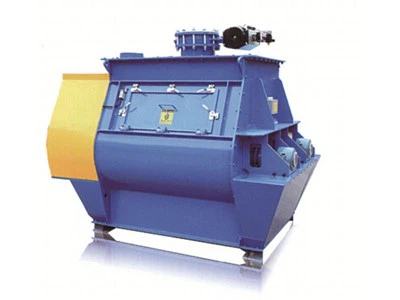
If you’re ready to discuss your project and learn more about how our dry mortar production lines can meet your shock resistance requirements, reach out to our team to schedule a consultation and discuss your specific needs.
Shot Blasting Machines References
- American Society of Mechanical Engineers (ASME) B110.1, Mechanical Shock Testing of Industrial Equipment, 2021.
- Construction Industry Institute (CII), Cost Drivers for Dry Mortar Production Facilities, 2022.
- International Organization for Standardization (ISO) 10816-3, Mechanical Vibration of Non-Rotating Machinery, Shock Resistance Requirements for Process Equipment, 2019.
- National Ready Mixed Concrete Association (NRMCA), Dry Mortar Production Line Performance Standards, 2020.
Jiangsu Haike Environmental Tech Co., Ltd.
As one of the most professional dry mortar production lines manufacturers and suppliers in China, we’re featured by quality products and good service. Please rest assured to wholesale customized dry mortar production lines at competitive price from our factory. Contact us for quotation.
Address: No.1, Wei’er Branch Road, Shanggang Industrial Park, Jianhu County, Yancheng City, Jiangsu Province, China
E-mail: 17388487000@163.com
WebSite: https://www.jshkhbwm.com/
