Hey there, let’s cut to the chase—if you’re here asking, “how many 12 oz aluminum cans are in a case?” you’re probably a small beverage brand, a festival planner, or maybe even a café restocking for a summer pop-up. As someone who’s been in the aluminum can supplier game for 7 years, I’ve fielded this question a thousand times, and it’s way more nuanced than “24” (though that’s the number everyone defaults to, right?). Let’s break this down, no stuffy spreadsheets or jargon—just real talk from a supplier who’s seen the supply chain messes that come with guessing wrong. Aluminum Can

First off, let’s start with the basics: we’re talking 12 oz standard aluminum beverage cans, the kind that hold seltzer, craft beer, iced tea, or energy drinks. A “case” isn’t a random box—this is a unit of measurement that’s been standardized for decades, mostly because it’s what every brewery, distributor, and grocery store expects. Back in the 1950s, when aluminum cans started replacing glass for mass-market drinks, packaging teams settled on 24 cans as the standard count. Why 24? Let’s be honest—logistics. A 24-can case fits perfectly on a standard pallet layer, stacks evenly in delivery trucks, and is easy for one person to carry without throwing out their back. Try carrying a 36-can case and you’ll see why that didn’t stick for retail or small distributors.
But wait—don’t stop at 24. Here’s where I see a lot of first-time brand owners mess up, especially when they’re sourcing from a new supplier (me, hi!). Depending on who you’re selling to, you’ll run into three other common case counts that aren’t the “retail standard” 24. Let’s list ‘em out straight:
- Retail Case: 24 cans. This is the one you see at every grocery store, Target, or corner bodega. It’s designed for end consumers—easy to grab, fits on store shelves, and the price point makes sense for a single run. If you’re launching a craft beer that’ll hit local bars or Walmart, 24 is your go-to.
- Wholesale Case (sometimes called a “master pack”): 48 cans. That’s two retail cases stacked together, shrink-wrapped, no cardboard outer box. Distributors love this because it cuts down on handling—they don’t have to split cases for small orders, and it’s cheaper to ship than two separate 24-can boxes. If you’re supplying to a chain of 50 restaurants that order in bulk, ask your supplier for 48-count master packs.
- Pallet Layer Case? No, wait—when we’re talking full pallet orders, a lot of suppliers will split into smaller “production cases” too, but another common one is the 12-can half case. Wait, why would anyone buy a 12-can case? Oh, that’s for sample packs, limited-edition seltzers, or when you’re testing a new flavor at a farmers’ market and don’t want to waste on a full 24. I’ve had brand owners come to me last minute for 12-can runs because they messed up their launch timeline and only had space for a small batch.
- And then there’s the 30-can keg liner? No, wait, that’s not a case. Wait, another one: 18-can cases. We make those too, actually—for small distilleries that do pre-mixed cocktails and want something smaller than 24 but bigger than 12. It’s not a standard, but it’s a super popular custom run for brands that don’t want to commit to 24 for their first launch.
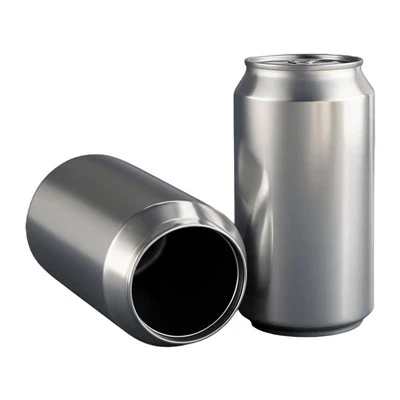
But here’s the thing as a supplier: we don’t just pull case counts out of thin air. Every case we ship has to fit strict specs that tie back to why 24 became the norm in the first place. Let’s do a quick math check to make it real, no more vague numbers. A standard 12 oz can is 2.6 inches wide (diameter) and 4.8 inches tall. So a single can’s footprint is πr², which works out to around 5.3 square inches. 24 cans stacked 4 wide and 6 deep? That’s a 10.4-inch by 15.6-inch base, which fits perfectly on a standard corrugated cardboard box—size 12x16x8 inches, to be exact. That box is light enough (a full 24-can case is about 15 pounds total, including the can, the soda, and the cardboard) that a warehouse worker can lift it, no special equipment needed. If you tried 36 cans? That’d be a 15.6×15.6-inch base, 10 inches tall, weighing over 22 pounds—way too heavy for most part-time retail staff to handle, which is why big box stores stuck to 24.
Now, let’s talk about the exceptions, because “case” isn’t a one-size-fits-all term. I once had a guy come to me from a craft brewery in Portland, asking for a 12-can case that was actually a “half pallet case” for taproom takeout. That’s not the standard, so we worked with our packaging team to make a custom box that fit 12 cans with a custom insert for cold packs. Another time, a non-profit doing a fundraiser asked for 50-can cases—yeah, that’s weird, but we sourced it because they needed a bulk run for a local 5K. The key here? If you’re a buyer, don’t assume “case” means 24. Always ask your supplier to clarify the count, and specify if you need retail-ready, master pack, or custom.
Wait, let’s get into why aluminum cans specifically matter here, because this blog is for my fellow brand owners and planners, not just general trivia. Aluminum is lightweight, so case weight is way lower than glass. A 24-can aluminum case is 15 lbs; a 24-can glass case is almost 40 lbs. That’s a huge difference for shipping—you pay less for freight, which is why so many brands switched from glass to aluminum in the first place. But that also means we can tweak case counts a little more than glass suppliers, because the boxes don’t have to support heavy glass. That’s why you see more custom can case counts than glass bottle runs.
Now, let’s talk about common mistakes I see first-time buyers make. Last year, a seltzer brand came to me, said “I need a case of 12 oz cans” and ordered 24. They ended up with double the inventory they needed, and had to store 50 cases in their garage for three months. Then there was a festival planner who ordered 12-can cases when they needed 24, so they ran out of cans halfway through the first day and had to pay a premium for a rush order. Pro tip from a supplier who’s dealt with these headaches: write down the exact case count when you’re ordering, and specify what it’s for. If it’s for a retail shelf, say “24-count retail case.” If it’s for bulk to distributors, say “48-count master pack.” If it’s a test batch, “12-count sample case.”
Also, let’s mention the eco angle, because that’s why so many of you are switching to aluminum. Aluminum is infinitely recyclable, and standard cases are designed for easy recycling. A 24-can case uses less cardboard per can than smaller 12-can cases, so it’s better for your carbon footprint if you’re buying in standard counts. But again, if you need smaller runs for test batches, that’s fine—we use 100% recycled cardboard for all our cases, so even custom runs are eco-friendly.
Wait, let’s get back to the original question: how many 12 oz aluminum cans are in a case? The short answer is, it depends, but 90% of the time, if someone’s talking about a retail case, it’s 24. If you’re talking to a supplier about bulk, it’s usually 48, 12, or 18. But here’s the real tea: as a supplier, I don’t sell “cases” without clarifying the count, because I don’t want my customers to end up with a box of 12 when they needed 24. That’s why we always ask when someone reaches out: “How many cans do you need total? And what are you using them for?” Because that’s the only way to get the right case.
Let’s wrap this up with a real example from last quarter. A local hard seltzer brand reached out, said they needed 1,200 12 oz cans for a farmers’ market launch. I asked: “Case count?” They said “whatever’s standard.” Turns out, they only needed 50 cases total, so a mix of 12-count sample cases (20 cases for the market’s free samples) and 24-count retail cases (30 cases for sale). That worked perfectly—they didn’t have leftover product, and the samples were the hit of the market. If they’d ordered all 24-count, they’d have 600 extra cans sitting around their apartment. If they’d ordered all 12-count, they’d have had to pick up and drop off 10 times as many boxes, which would’ve been a nightmare for their small team.
So, if you’re in the market for aluminum cans, don’t guess on the case count. Whether you’re a small brand launching your first flavor, a planner organizing a festival, or a café restocking for summer, get clear on how many you need, and what you’ll use the cases for. As your go-to aluminum can supplier, we’re here to help you figure out the right count, no hidden fees, no weird fine print. If you’re ready to get quotes, place an order, or even just ask questions about case sizes, hit us up—we’re all about making the process simple for you, because that’s what keeps brands growing.
Beverage Can References:
- Aluminum Association. (2022). Standard Packaging Specifications for 12 oz Aluminum Beverage Cans.
- National Restaurant Association. (2023). Bulk Food Service Packaging Guidelines for Canned Beverages.
- Corrugated Packaging Association. (2021). Retail Case Dimensions for Aluminum Can Shipping.
- Craft Beverage Association. (2022). Small Batch Packaging Best Practices for New Beverage Brands.
Fudijia (Tianjin) Supply Chain Co., Ltd.
As one of the most professional aluminum can manufacturers and suppliers in China, our products have good reputation in the market. Please feel free to buy customized aluminum can made in China here from our factory. Quality products and low price are available.
Address: Room 1602, MSD-G1, TEDA , Binhai New Area, Tianjin, China, 300457
E-mail: Sales896@hjlfoods.com
WebSite: https://www.fdjpack.com/
