Hey there, if you’re running a job site that relies on motor crane attachments, you know how much rides on your hydraulic system going right—no weird drops in lifting power, no random leaks mid-lift, no last-minute breakdowns that cost you time (and money, let’s be real). I’ve been supplying motors and vehicle crane attachments for over 12 years, and let me tell you: 90% of the “sudden” hydraulic issues I get called out for? They’re totally preventable with regular, simple maintenance that takes 15 minutes a week. No fancy training, no expensive tools—just consistent checks. Let’s break this down like I’d chat with one of my regular clients, no corporate jargon, I promise. Motors and Vehicle Crane Attachments

First up, let’s talk about the thing everyone overlooks but is the hydraulic system’s bread and butter: the hydraulic fluid. This isn’t just “oil”—it’s the lifeblood that moves every piston, powers every lift, seals every tight spot. I can’t tell you how many times I’ve showed up to a site where the fluid is dark, gritty, or so low it’s sucking in air like a vacuum. That’s a recipe for disaster. Your first move here is to check the level every time you fire up the crane—before you even hook a load. Most newer attachments have a sight gauge right on the reservoir, so no need to pull off caps (that’s how you get dirt in, anyway). It should be between the “min” and “max” lines when the system’s cold, by the way—don’t check it right after a lift, when everything’s hot and expanded, or you’ll get a fake low reading.
Next, the condition of the fluid. If it looks amber and smooth, that’s good. If it’s brown, black, or has a gritty sludge at the bottom of the reservoir? Time to change it. Also, smell it—if it smells burnt, that’s a sign it’s been breaking down from too much heat, which usually happens from overloading or letting the crane run at full blast for hours straight. And a quick pro tip from me: don’t just top it off with any fluid. Use the exact grade the manufacturer recommends—your attachment’s manual has this, I keep a cheat sheet taped to my work truck for all the common models I supply. Mixing grades can mess with the pressure and cause seals to fail.
Now, leaks. Leaks are the #1 annoying, hard-to-trace issue, and they sneak up on you. I’ve had a client who ignored a tiny pinhole leak on a hose for three weeks—turned out the fluid got on the ground, seeped into the soil, and when he finally noticed, he’d lost 2 gallons of fluid and the system was running low, causing the lift to drop 2 feet mid-load. The fix? Check for leaks every time you wrap up work for the day. Run the crane through a full cycle—lift, lower, rotate, extend the boom—then walk around all the hoses, connections, valves, and the piston rods. Look for wet spots, drips, or even a sticky residue that’s dried. Don’t forget the fittings—sometimes a loose flare nut is all it takes, and you can tighten that with a wrench, no need to replace the whole hose. If the hose is cracked, bulging, or the outer layer is peeling? Replace it immediately. I see people reuse hoses that look “fine” all the time, but heat, pressure, and sun (if your crane’s sitting outside) wear them down fast. A $50 hose now is way cheaper than a $5,000 repair later.
Then there’s the filters. Hydraulic filters keep dirt, metal shavings, and gunk out of the system, and if you skip changing them, they get clogged and restrict flow. That means your crane won’t lift as heavy, or it’ll make that weird groaning noise when you extend the boom. How often do you change them? I tell all my clients every 250 hours of operation, or at least once a year, even if you don’t use the crane that much. Dust and moisture can get in even when the machine’s sitting idle. Pro move here: when you change the filter, clean the magnet at the bottom of the reservoir (most reservoirs have a little magnetic plug) that catches metal shavings. If that magnet has a thick layer of shavings, that’s a sign internal parts are wearing down—you can catch that early before it turns into a whole piston or pump replacement.
Don’t sleep on the valves either. The control valves—they’re what direct the fluid to different parts of the system, right? Over time, dirt and grime can build up in the valve spools, making them stick or not move smoothly. How to check this? Run each control function slowly a few times. If the lift is jerky when you lower it, or the rotation is off-center when you move the joystick, that’s probably a valve issue. A quick clean with compressed air (no harsh solvents!) can fix that most of the time. If it’s still sticking, you might need to take the spool out and wash it with hydraulic fluid, not regular cleaner. And if you’re storing your crane for more than a month (like over a holiday), cycle the valves a few times every week to keep them from seizing up—dry, unused valves are way more likely to stick.
The pump is the most expensive part of the hydraulic system, so keeping it happy is key. The pump takes the fluid and builds pressure to move everything, and it doesn’t like being starved of fluid or running with dirty fluid. That’s why the earlier steps—checking fluid level, changing filters—are so important. Also, avoid sudden, full-blast starts. I see operators yank the joystick to maximum lift the second they turn the key, and that’s hard on the pump. Ease into the pressure, build it gradually. If you hear a whirring or grinding noise from the pump, that’s not normal—shut it off immediately. That’s usually a sign of air getting into the system, or the pump wearing out, and if you keep running it, you’ll need a new pump before the end of the month.
Air in the system—wait, I mentioned that earlier, but it deserves its own section. Air makes the hydraulic fluid spongy, so when you lift a load, it feels bouncy, not solid. How do you get air out? First, check all the fittings and hose connections for leaks—any leak that lets air in will cause this. Then, run the crane through a full cycle with no load attached: lift the boom all the way up, hold it for 10 seconds, lower it all the way down, repeat 3 or 4 times. That usually works. If it’s still spongy, check the fluid level again—low fluid sucks air in. And if you’ve recently changed fluid or a hose, you might just need to bleed the system, which is super easy. Most manuals have the bleed valve location, it’s just a small plug you open while the system’s running (slowly) to let the air out.
Now, let’s talk about the big one: overloading. I can’t tell you how many guys think “my crane says 10-ton capacity, so I’ll put 11 tons on it to get the job done faster.” That’s a death sentence for the hydraulic system. Every component—hoses, pistons, valves, pump—is built to handle a specific pressure. Overloading makes the pressure spike way beyond what it’s designed for, which blows hoses, warps pistons, and ruins valves. I’ve seen a crane’s boom cylinder blow because someone loaded 2 tons over capacity, and that cost them $15k in repairs and a whole week of downtime. Follow the load chart. No exceptions.
What about storage? If you’re not using the crane for a while, don’t just park it. Lower the boom all the way, turn off the power, and cover the whole hydraulic reservoir and the control panel to keep dust and moisture out. Moisture is a sneaky enemy—if it gets in the fluid, it causes rust inside the pump and cylinders, which wears everything down. Also, run the engine for 5 minutes once a week, cycle the hydraulic functions (no load) to keep the fluid moving and prevent seals from drying out. Dry seals crack, and a cracked seal means leaks.
I get it, no one wants to add another chore to their busy workweek. But here’s the thing: 10 minutes of maintenance every day, and a 2-hour checkup every 250 hours, will save you thousands in repairs, and keep your crane running when you need it. I’ve had clients who skipped maintenance and ended up with a $20k pump replacement, when a $30 fluid change and filter would’ve fixed the issue. That’s a no-brainer.
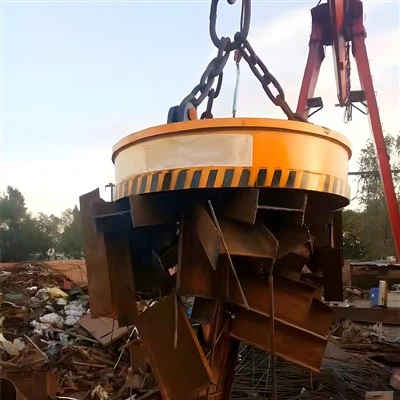
If you’re having trouble with any part of your motor crane attachment’s hydraulic system, or you need new hoses, filters, or replacement parts, hit me up. I supply high-quality parts that fit all the common models, and I can walk you through a quick check over the phone if you’re not sure what’s going on. No pressure, just real advice from someone who’s been in this game for years, and knows how important your crane is to your business.
CNC Grinding Machine References:
Hydraulic System Maintenance Guidelines for Mobile Cranes, National Institute for Occupational Safety and Health (NIOSH), 2021.
Industrial Hydraulic Fluid Best Practices, Fluid Power Society, 2022.
Mobile Crane Component Maintenance Manuals, International Standards Organization (ISO), 2020.
Taiyuan Z.T Gear Machinery Equipment Co., Ltd.
We are one of the most professional motors and vehicle crane attachments manufacturers and suppliers in China, specialized in providing high quality custom service. We warmly welcome you to buy durable motors and vehicle crane attachments made in China here from our factory.
Address: No.7, Area C, Industrial Park, Taiyuan, Shanxi
E-mail: 13191002233@139.com
WebSite: https://www.tzgears.com/
