If you’ve ever worked in a space where even the smallest spark could trigger a catastrophe—think oil refineries, chemical processing plants, grain elevators, or pharmaceutical facilities—you know how non-negotiable explosion-proof lighting is. As an LED explosion proof light supplier who’s been embedded in this niche for over a decade, I get asked a lot of basic, but critical, questions by maintenance managers, plant engineers, and even new operations supervisors. One that comes up again and again is: “What exactly are these lights made of, and why does the material matter so much?” LED Explosion Proof Light
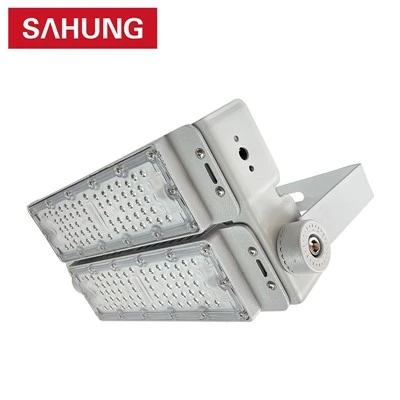
Most people assume explosion proof lights are built like regular fixtures, with metal or plastic shells that just hold the LEDs in place. But that’s a dangerous misunderstanding. In hazardous locations—classified by the National Electrical Code (NEC) as Division 1, Division 2, Zone 1, or Zone 2, depending on how likely flammable gases, dust, or vapors are to be present—light fixtures don’t just illuminate. They have to contain any internal arc, spark, or heat that might escape, and also resist the corrosive, high-stakes environment they’re installed in. Over the years, I’ve seen what happens when the wrong material is used: fixtures crack after a year of exposure to sulfuric fumes, seals break and let dust inside, and worst of all, a fixture fails to contain an internal overheat event, leading to a fire. So let’s break down the key housing materials for LED explosion proof lights, how they perform, and why choosing the right one isn’t just a spec—it’s a safety mandate.
First, the most common housing material you’ll see in quality LED explosion proof lights is die-cast aluminum. This isn’t your run-of-the-mill aluminum from a backyard shed project; it’s a high-purity, precision-cast alloy, typically A380 or A356 grade, engineered for both structural strength and heat management. Here’s why aluminum is the workhorse of this industry. First, it’s extremely durable: it can withstand heavy impacts, falls, and the kind of mechanical stress that comes with working around heavy equipment in a plant. If a steel beam swings into a light fixture, or a forklift scrapes it, die-cast aluminum won’t shatter like plastic or crack like thinner steel. Second, it’s a natural heat sink, which is non-negotiable for LEDs. LEDs run hot, and excess heat is the #1 cause of LED failure—within just a few thousand hours of operation, unmanaged heat can cut an LED’s lifespan by half. For explosion proof lights, this is even more critical: if a fixture’s internal components get too hot, it can ignite flammable materials that seep in through the smallest gaps. Aluminum dissipates heat evenly across the entire housing, so the internal temperature stays well below the autoignition point of even the most volatile gases, like propane or acetylene.
But aluminum for explosion proof lights isn’t just plain raw metal. After casting, the housings go through a special coating process, usually electrostatic powder coating, that’s far more robust than the paint on your car. This coating is designed to resist corrosion from harsh chemicals, salt, moisture, and dust—things like hydrogen sulfide in oil and gas facilities, or caustic soda in fertilizer plants. I’ve seen cheap, uncoated aluminum housings rust and pit within 18 months in a coastal refinery, but powder-coated aluminum housings that our company supplies are still holding up strong after 7 years in that same environment. That said, aluminum isn’t perfect. It’s conductive, which means it needs to be properly grounded to avoid static buildup—a small detail that gets overlooked by cut-rate suppliers. Also, in very high-temperature environments, like near smelters or open-flame processing zones, aluminum can warp if not alloyed correctly, which is why some specialty fixtures use a different material.
Next up, and often a topic of debate among our engineering team, is stainless steel housing. Stainless steel is the gold standard for the most corrosive and extreme hazardous locations. Types 304 and 316 stainless steel are the most common here, with 316 being the superior choice for environments with high salt or chloride exposure, like offshore oil rigs or coastal chemical plants. Where aluminum can pit or corrode after years of exposure to brine or certain acids, stainless steel remains intact, resisting even the harshest chemicals. It’s also incredibly strong—much thicker than die-cast aluminum, and capable of withstanding extreme pressure, impact, and even high temperatures up to 800°F, which is way beyond what aluminum can handle.
So why don’t we use stainless steel for every LED explosion proof light? A few reasons. First, it’s way more expensive than aluminum—often 3 to 4 times the cost. For applications where the environment isn’t the absolute worst, spending that much extra is unnecessary. Second, stainless steel is heavier. For ceiling-mounted fixtures in high ceilings, that extra weight means more structural support is needed, which adds installation time and cost. Third, for many smaller fixtures, the extra strength of stainless steel is overkill. For example, a 100-watt LED flood light for a loading dock that’s occasionally exposed to diesel fumes doesn’t need stainless steel; powder-coated aluminum works just as well, at a fraction of the cost. I always tell customers: match the material to the hazard level, not the other way around.
The third housing material you’ll encounter is reinforced thermoplastic, or high-density polyethylene (HDPE). This is the newest entrant in the explosion proof lighting space, and it’s growing in popularity for certain applications. For a long time, people wrote off thermoplastics as too flimsy for hazardous locations, but modern reinforced thermoplastics are engineered specifically for this use case. They’re lightweight, which makes installation a lot easier—no need for heavy lifting equipment when mounting fixtures at height or in hard-to-reach areas. They’re also non-corrosive, so in environments where corrosion is a big issue, they hold up well, and they don’t conduct electricity, which eliminates the need for grounding (a big plus for some older facilities that struggle with wiring upgrades).
That said, thermoplastic has clear limitations for LED explosion proof lights. The biggest one is heat resistance. Most thermoplastics start to soften or warp at temperatures above 200°F, which is a problem because LEDs running at full power can generate that kind of heat, especially in enclosed fixtures. They’re also not as impact-resistant as metal housings—if a heavy object hits them, they can crack or break, creating gaps that let flammable materials enter the fixture. For that reason, thermoplastic LED explosion proof lights are only rated for Division 2 or Zone 2 locations, where flammable materials are only present under abnormal conditions, not during normal operation. I’ve seen thermoplastic fixtures work perfectly well in parking garages with occasional gas leaks from vehicle exhaust, or storage warehouses where flammable liquids are only transferred a few times a month, but I’d never recommend them for an oil refinery where gases are present 24/7.
Now, I should mention a critical point that even some experienced engineers miss: it’s not just the housing material that makes an LED explosion proof light safe—it’s the design of the housing, and the materials used for seals and internal components. For example, all explosion proof housings have flame paths—narrow gaps between parts of the housing that are designed to stop an internal arc or spark from escaping, and cool any hot gases before they leave the fixture. The housing material has to be rigid enough to withstand the internal pressure of a small explosion inside the fixture, which is why metal is still preferred for Division 1 locations. Seals, which keep dust, gas, and moisture out, are almost always made of EPDM rubber or silicone, because those materials can handle extreme temperatures and resist corrosion, unlike regular rubber that would break down after a few years in a chemical plant.
Over my years as a supplier, I’ve seen the market evolve a lot. Ten years ago, most explosion proof lights were metal halide, which ran extremely hot and required thick metal housings to contain their heat. Now, LED technology has cut operating temperatures drastically, which means we can use more efficient materials, like thermoplastics, for some applications. But the core requirements haven’t changed: the housing has to be able to contain internal failures, resist the environment, and keep heat and sparks away from flammable materials. I’ve had customers come to me insisting they need a stainless steel fixture for a warehouse that only stores cardboard boxes, because “steel is stronger,” and I have to explain that they’re spending $500 extra for a material that’s unnecessary. Conversely, I’ve had customers who tried to save money by buying cheap aluminum fixtures with thin, uncoated housing, only to have them corrode and fail within a year, leading to costly downtime and safety risks.
So what should you look for when choosing an LED explosion proof light’s housing? First, match the material to your hazard classification. If you’re in a Division 1 or Zone 1 location where flammable materials are present during normal operation, go for die-cast aluminum or stainless steel. For Division 2 or Zone 2 locations, reinforced thermoplastic can be a cost-effective option. Second, check the coating: for metal housings, electrostatic powder coating is a must, not spray paint, which chips and peels easily. For thermoplastic, make sure it’s reinforced with fiberglass or another material to boost impact resistance. Third, don’t cut corners on the housing. I know it’s tempting to go with the cheapest option, but in hazardous locations, the housing is the first line of defense. A faulty housing isn’t just a broken light—it’s a safety hazard that can put your entire facility at risk.

As someone who works directly with plant managers every day, I always tell them that when it comes to explosion proof lighting, safety shouldn’t be an afterthought. The housing material is the foundation of that safety. It’s what keeps the light running for years, even in the toughest conditions, and it’s what gives you peace of mind that your facility is meeting all NEC and OSHA requirements. If you’re unsure what housing material is right for your application, or you have questions about ratings, durability, or cost, don’t hesitate to reach out. My team and I have worked with facilities of all sizes, from small grain elevators to major offshore rigs, and we can help you find the right LED explosion proof light for your needs. It’s not just about selling a fixture—it’s about making sure your team goes home safe every night.
LED High Bay Light References
National Fire Protection Association. (2023). NFPA 70: National Electrical Code. National Fire Protection Association.
Underwriters Laboratories. (2022). UL 844: Standard for Safety for Explosion-Proof and Dust-Ignition-Proof Electrical Equipment for Use in Hazardous (Classified) Locations. Underwriters Laboratories.
International Electrotechnical Commission. (2021). IEC 60079: Explosive atmospheres. International Electrotechnical Commission.
ASTM International. (2020). ASTM B108: Specification for Aluminum-Alloy Die Castings. ASTM International.
Hangzhou Shanghong Electronic Technology Co., Ltd.
We are one of the most experienced led explosion proof light manufacturers and suppliers in China. With a professional production team, we offer a wide range of products with superior quality. Please feel free to wholesale custom made led explosion proof light from our factory.
Address: 5F, Building A, No.7 Xiyuan 2nd Road, Xihu District, Hangzhou City, Zhejiang, China.
E-mail: sales3@sahung.com
WebSite: https://www.sahung-light.com/
